How to Choose the Right Water Heater for Your Home or Business
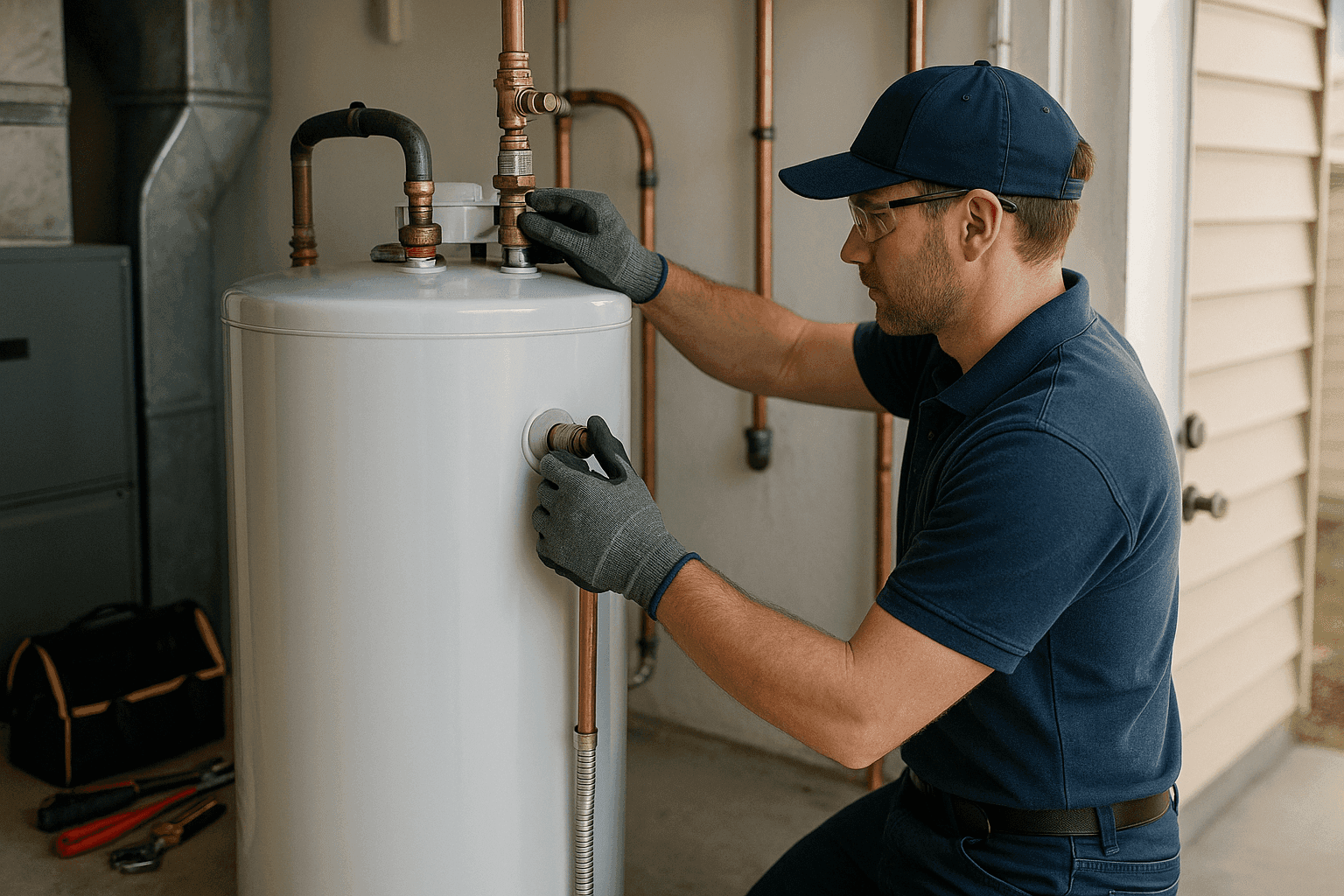
Are you tired of running out of hot water halfway through a shower? Or maybe you’re a business owner who can’t risk a cold tap when customers need comfort. Picking the right water heater isn’t just about comfort—it’s about safety, savings, and peace of mind.
At Alvin’s Plumbing, we know the difference a reliable hot water supply makes. We’ve helped countless homeowners and small business owners choose, install, and maintain the right system. Let’s break down the essentials so you can make a confident decision and keep the hot water flowing, no matter what.
Why Water Heater Choice Matters
A water heater is the heart of your plumbing system. When it fails, everything freezes—literally and figuratively. The wrong choice can mean cold showers, wasted energy, or even unexpected emergencies. With so many types and sizes, it’s easy to feel lost. But with the right guidance, you’ll avoid costly mistakes and enjoy steady hot water year-round.
Types of Water Heaters: Pros and Cons
Choosing a water heater is like picking the right tool for the job. Here’s what you need to know about the main types:
Tank Water Heaters
How they work: A large tank stores and heats water, ready for use.
Pros:
- Lower upfront cost
- Simple maintenance
- Reliable for steady, moderate demand
Cons:
- Bulky; needs space
- Can run out of hot water during heavy use
- Standby heat loss (uses energy even when not in use)
Tankless Water Heaters
How they work: Heats water instantly as you need it—no storage tank.
Pros:
- Endless hot water (as long as demand doesn’t exceed capacity)
- Compact and wall-mounted
- More energy efficient
Cons:
- Higher upfront cost
- May need upgrades to gas/electric lines
- Output limited by size—multiple showers at once can overwhelm smaller units
Hybrid (Heat Pump) Water Heaters
How they work: Uses electricity to move heat from the air into the water.
Pros:
- Extremely energy efficient
- Lower operating costs
- Good for moderate to high hot water needs
Cons:
- Higher initial price
- Needs more installation space and proper ventilation
- Not ideal for cold, unheated spaces
Other Options
- Point-of-Use Water Heaters: Small, dedicated units for one sink or appliance.
- Solar Water Heaters: Eco-friendly but require sunlight and larger investment.
Tip: Always check that your choice meets local plumbing codes and safety standards (such as those from the International Association of Plumbing and Mechanical Officials).
Sizing Your Water Heater: Don’t Guess—Calculate
Getting the right size is like picking shoes that fit. Too small, and you’ll always be uncomfortable. Too big, and you’re wasting money.
For Homes
- Tank models: Consider the number of people and peak usage (showers, laundry, dishes). A family of four typically needs a 50-gallon tank, but this can vary.
- Tankless models: Focus on flow rate (gallons per minute) and temperature rise needed. Add up the flow rates of appliances you might use at once.
For Small Businesses
- Restaurants, salons, or gyms have higher, more variable demands.
- Consult with a licensed plumber to assess your peak usage and future growth.
Rule of Thumb: Overestimating leads to higher energy bills. Underestimating leads to cold water and unhappy customers or family members.
Energy Efficiency: Save Money, Save the Planet 🌱
Water heaters are one of the biggest energy users in any building. Choosing an efficient model can save hundreds every year.
- Look for ENERGY STAR® ratings.
- Check the Uniform Energy Factor (UEF): Higher numbers mean better efficiency.
- Consider fuel type: Gas, electric, propane, or hybrid. Each has different costs and maintenance needs.
Fact: According to the U.S. Department of Energy, upgrading to a high-efficiency water heater can reduce energy use by up to 50% compared to older models.
Quick Safety Checklist
Before installing or replacing a water heater, safety comes first. Here’s what to keep in mind:
- Is the unit certified to meet safety codes? (Look for ANSI, ASME, or CSA marks.)
- Do you have proper ventilation for gas models?
- Is there a working temperature and pressure relief valve?
- Are all electrical and gas connections up to code?
- Is the location protected from freezing and flooding?
- Has the area been checked for flammable materials?
- Are carbon monoxide detectors installed for gas models?
Never skip safety. Even a small mistake can lead to leaks, gas issues, or worse.
DIY vs. Call a Pro
Installing a water heater isn’t like swapping out a light bulb. It’s more like rewiring your kitchen—possible for some, but risky for most.
DIY Might Work If:
- You’re replacing an electric tank with an identical model
- All plumbing and electrical connections are already in place
- You’re comfortable with heavy lifting, plumbing, and wiring
Call a Pro When:
- Switching fuel types (electric to gas, or vice versa)
- Upgrading to tankless or hybrid systems
- Gas lines, venting, or complex electrical work is involved
- Local codes require a licensed plumber
Remember: Most manufacturers require professional installation to keep warranties valid. And safety codes are there for a reason.
What Pros Do On Arrival
When you call Alvin’s Plumbing for water heater installation or emergency plumbing, here’s what you can expect:
- Assessment: We inspect your current system, check for code compliance, and measure your hot water needs.
- Recommendations: We explain your options—no pressure, just facts.
- Safe Removal: Old unit is drained, disconnected, and removed safely.
- Installation: New unit is installed with all necessary fittings, venting, and safety checks.
- Testing: We run the system, check for leaks, and ensure proper temperature and pressure.
- Cleanup: No mess left behind.
- Walkthrough: We show you how to operate and maintain your new heater.
Pro tip: Always ask for documentation of installation and any required permits.
Prevention & Maintenance: Keep Hot Water Flowing
A water heater is like a car—it needs regular care to run smoothly. Here’s how to extend its life and avoid cold surprises:
- Flush the tank at least once a year to remove sediment (more often if you have hard water).
- Check the anode rod every 2–3 years; it helps prevent tank corrosion.
- Test the pressure relief valve annually for safety.
- Inspect for leaks or rust around the base and connections.
- Listen for strange noises—rumbling or popping can mean sediment buildup.
- Set the thermostat to 120°F for energy savings and scald prevention (as recommended by the Consumer Product Safety Commission).
If you notice any of these issues, don’t wait. Small problems can quickly turn into emergencies.
Costs & Time Factors
Every installation is unique, but here’s what to expect:
- Tank water heaters: Lower upfront cost, faster installation (often same day).
- Tankless and hybrid models: Higher initial price, longer setup (may require new gas, electric, or venting lines).
- Permits and code upgrades: These can add time and cost, but they’re essential for safety and insurance compliance.
- Removal of old units: Sometimes extra if there’s disposal or hazardous material.
Budget for the long run: Energy-efficient models may cost more upfront but save money over time.
When It’s an Emergency 🚨
Sometimes, waiting isn’t an option. Call for emergency plumbing if you notice:
- No hot water: Especially if your business relies on it.
- Water leaking from the tank or pipes
- Strange smells (gas or burning)
- Water heater making loud, unusual noises
- Rusty or discolored water
- Visible corrosion or bulging tank
Water heater emergencies can cause flooding, property damage, and safety hazards. Fast action can save you time and money.
FAQ: Common Water Heater Questions
How long does a water heater last?
Most tank models last 8–12 years. Tankless units can last up to 20 years with proper maintenance. Regular care makes a big difference.
Can I switch from a tank to a tankless system?
Yes, but it may require upgrades to your plumbing, electrical, or gas lines. It’s best to have a professional assess your setup.
Why does my water smell or look rusty?
This can mean corrosion inside the tank or old pipes. It’s a sign you may need repair or replacement soon.
How often should I have my water heater inspected?
Annually is best. Regular checks help catch small issues before they become emergencies.
Special Considerations for This Service
- Business downtime: Schedule installations during off-hours to avoid disrupting customers.
- Water quality: Hard water can shorten a heater’s lifespan—consider a filtration system.
- Building codes: Always follow national and local plumbing codes (refer to the Uniform Plumbing Code or National Standard Plumbing Code).
- Gas safety: For gas heaters, regular leak checks and ventilation are critical.
- Accessibility: Make sure the heater is easy to reach for maintenance and emergencies.
Choosing the right water heater isn’t just about today—it’s about comfort, safety, and savings for years to come. If you’re unsure what’s best for your home or business, Alvin’s Plumbing is here to help, day or night.
Call Alvin's Plumbing now — or reach us anytime at 888-565-9676 .