Drain Cleaning 101: How to Unclog Any Sink, Shower, or Toilet
Are you standing ankle-deep in shower water that just won’t drain? Or maybe your kitchen sink is bubbling and slow, and you’re not sure what’s lurking below. Clogs always seem to show up at the worst possible time—late at night, on holidays, or right before guests arrive.
At Alvin’s Plumbing, we get it. Drains are the lifelines of your home. When they back up, everything grinds to a halt. That’s why we’re here with real, safe solutions—so you know exactly what to do, and when to call for emergency plumbing help.
Why Drains Clog 🚿
Drains are like highways for waste and water. But even the best highways get traffic jams. Understanding why they clog helps you tackle the problem at its root.
Kitchen Sinks
- Grease & Cooking Oils: Like cholesterol in arteries, fats solidify and block pipes.
- Food Scraps: Even with a disposal, fibrous or starchy foods can tangle or expand.
- Soap Scum: Over time, it builds up and grabs onto other debris.
Bathroom Sinks & Showers
- Hair: The number-one culprit. It tangles with soap and forms a web.
- Toothpaste & Soap Residue: These make sticky barriers.
- Small Objects: Jewelry, floss, or even a stray razor cap can lodge deep below.
Toilets
- Too Much Paper: Paper doesn’t always break down fast.
- Non-Flushables: “Flushable” wipes, cotton balls, feminine products—these aren’t really flushable.
- Kids’ Curiosity: Toys or objects dropped in “just to see.”
Laundry & Utility Drains
- Lint and Fabric Fibers: From washing machines.
- Detergent Build-up: Over time, can narrow pipes.
No matter the source, the result is the same: water doesn’t go where it should.
Safe DIY Methods for Sinks, Showers, Toilets
Before you reach for harsh chemicals, let’s look at simple, safe ways to clear most clogs.
Sinks & Showers
- Boiling Water: For minor grease or soap clogs, pour 1–2 kettles of boiling water slowly down the drain.
- Plunger: Use a cup plunger. Seal the drain and plunge firmly 10–15 times.
- Baking Soda & Vinegar: Pour 1/2 cup baking soda, then 1 cup vinegar. Wait 15 minutes, flush with hot water.
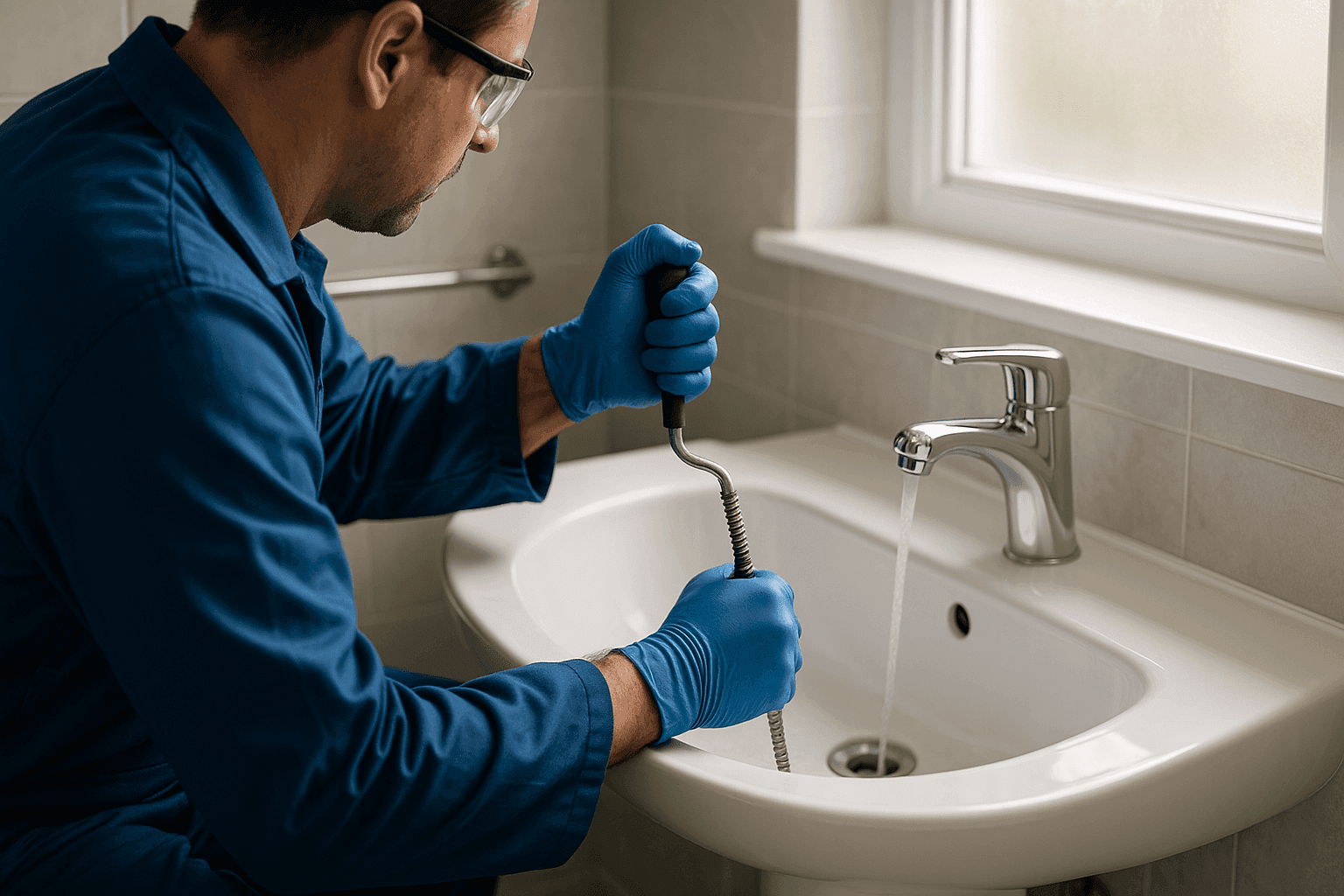
- Manual Removal: Remove the stopper or drain cover. Use a bent wire hanger or hair snake tool to pull out debris.
- Wet/Dry Vacuum: For stubborn clogs, a vacuum can sometimes pull the blockage free.
Toilets
- Toilet Plunger: Use a flange plunger (the kind with a little extension). Seal, then plunge with force.
- Plumbing Snake (Auger): For tough clogs, a hand-crank auger can break through.
- Hot Water (Not Boiling): Pour a bucket of hot (not boiling) water into the bowl from waist height. Sometimes, the pressure dislodges soft clogs.
Pro tip: Always wear rubber gloves. Keep towels handy for spills.
What Not to Use
Not all “quick fixes” are safe. Some can turn a small problem into a big, expensive one.
- Chemical Drain Cleaners: Most store-bought cleaners use caustic ingredients. These can eat through pipes—especially older PVC or metal—and harm the environment. The U.S. Environmental Protection Agency warns against routine use.
- Homemade Devices: Don’t ram sticks, wires, or coat hangers deep into drains. You risk puncturing pipes or damaging traps.
- Mixing Chemicals: Never combine products—dangerous fumes or reactions can occur.
If you’ve tried DIY steps and nothing moves, it’s time to stop. Forcing it can mean leaks or burst pipes.
Signs You Need a Plumber 🛠️
Sometimes, a clog is more than a surface problem. Here’s when to call Alvin’s Plumbing for emergency plumbing:
- Multiple Slow Drains: If sinks, tubs, and showers are all slow, it might be a main sewer line issue.
- Water Backing Up: Water appearing in other fixtures (e.g., flushing the toilet causes the shower to fill) signals a serious blockage.
- Bad Odors: Persistent, foul smells mean waste isn’t moving out.
- Gurgling Sounds: Bubbling or gurgling from drains hints at deeper blockages or vent issues.
- Frequent Clogs: If you unclog and it happens again quickly, there’s likely a bigger problem down the line.
We use safe, eco-friendly tools—never caustic chemicals. Alvin’s Plumbing is fully insured and ready to help, day or night.
Preventing Future Clogs
A little prevention keeps your pipes flowing like mountain streams.
- Don’t Pour Grease Down the Sink: Collect it in a can, throw it out.
- Use Drain Screens: Catch hair and debris—clean screens weekly.
- Flush Only Toilet Paper: No wipes, no cotton, no “flushable” anything.
- Run Hot Water: After each use, run hot water for 30 seconds to help flush residue.
- Regular Maintenance: Schedule annual sewer line inspection or preventative maintenance. The International Association of Certified Home Inspectors (InterNACHI) recommends at least once a year.
- Be Mindful of What Goes Down: Paint, plaster, or grout can harden and block pipes.
When Should You Escalate? (DIY vs. Pro)
If you’ve tried all the above and water still won’t budge, don’t force it. The deeper the clog, the greater the risk for pipe damage or flooding.
Call Alvin’s Plumbing if:
- The clog is out of reach or keeps coming back.
- Water is overflowing onto floors (toilet, sink, or tub).
- You hear hissing, see bubbling, or smell gas (could be a gas line issue as well).
- You notice water spots, bulges, or stains on walls or ceilings.
We’re always on call for emergency plumbing and sewer line repair near you.
What Pros Do On Arrival
When Alvin’s Plumbing arrives, here’s our safe, step-by-step approach:
- Assessment: We ask about the problem, inspect visible fixtures, and check multiple drains.
- Isolation: We determine whether it’s a localized or whole-house issue.
- Safe, Professional Tools: Our team uses hand augers, motorized snakes, and high-pressure water jets (hydro-jetting) as needed. No harsh chemicals.
- Sewer Line Inspection: For stubborn or recurring clogs, we use camera inspection tools to see exactly what’s happening inside your pipes.
- Cleanup & Prevention: We clear the clog, clean up any mess, and offer tips to prevent future backups.
All services follow local plumbing codes and safety guidelines set by organizations like the International Plumbing Code (IPC).
Preventing Future Clogs
Prevention is the best cure. Here’s what you can do:
- Regularly clean stoppers and screens.
- Limit food waste in kitchen sinks.
- Train kids and guests what not to flush.
- Schedule annual check-ups.
A little diligence goes a long way.
Costs & Time Factors
Every clog is different. Here’s what typically affects cost and repair time:
- Location of the Clog: Deeper or harder-to-reach spots take longer.
- Severity: A minor hair clog is quick; a main sewer line backup takes longer.
- Home Age & Pipe Material: Older homes may have fragile pipes needing gentler care.
- Emergency Timing: Nights, weekends, or holidays may affect availability.
Most simple clogs can be cleared in under an hour. Complex drain or sewer line repair may take several hours or require follow-up.
When It’s an Emergency 🚨
Some clogs just can’t wait:
- Sewage Backup: Any sign of sewage in your home is a health hazard. Call immediately.
- No Draining at All: If water sits for more than a few hours, especially in multiple fixtures, it’s urgent.
- Flooding: Water overflowing from toilets, sinks, or tubs can damage floors and walls fast.
- Gas Smells: These can indicate a cracked drain or gas line—leave the area and call right away.
Alvin’s Plumbing is ready to respond 24/7 for emergency plumbing and sewer line repair near you.
FAQ
How often should I clean my drains?
Once a month for bathroom and kitchen drains. More often if you have long hair or a busy household.
Is it safe to use commercial drain cleaners?
Most are not safe for regular use. They can damage pipes and are harmful to the environment. Stick to mechanical tools and natural cleaners.
What’s the best way to prevent toilet clogs?
Only flush toilet paper. Never flush wipes, feminine products, or paper towels.
How do I know if the problem is the main sewer line?
If multiple fixtures back up at once, or you hear gurgling from drains, it’s a sign the main line might be blocked.
Local & Seasonal Considerations
Different seasons bring different plumbing challenges.
- Spring: Tree roots seek water and can invade underground sewer lines.
- Winter: Pipes contract, making older joints more prone to leaks or blockages.
- Heavy Rains: Sudden storms can overwhelm exterior drains, leading to backups inside.
If you notice changes after weather events—like slow drains or wet spots—have your system checked for peace of mind.
Clogged drain or toilet giving you trouble? Don’t wait for a disaster. Call Alvin's Plumbing now — or reach us anytime at 888-565-9676 .