How Much Does Drain Cleaning Cost? Homeowner’s Guide
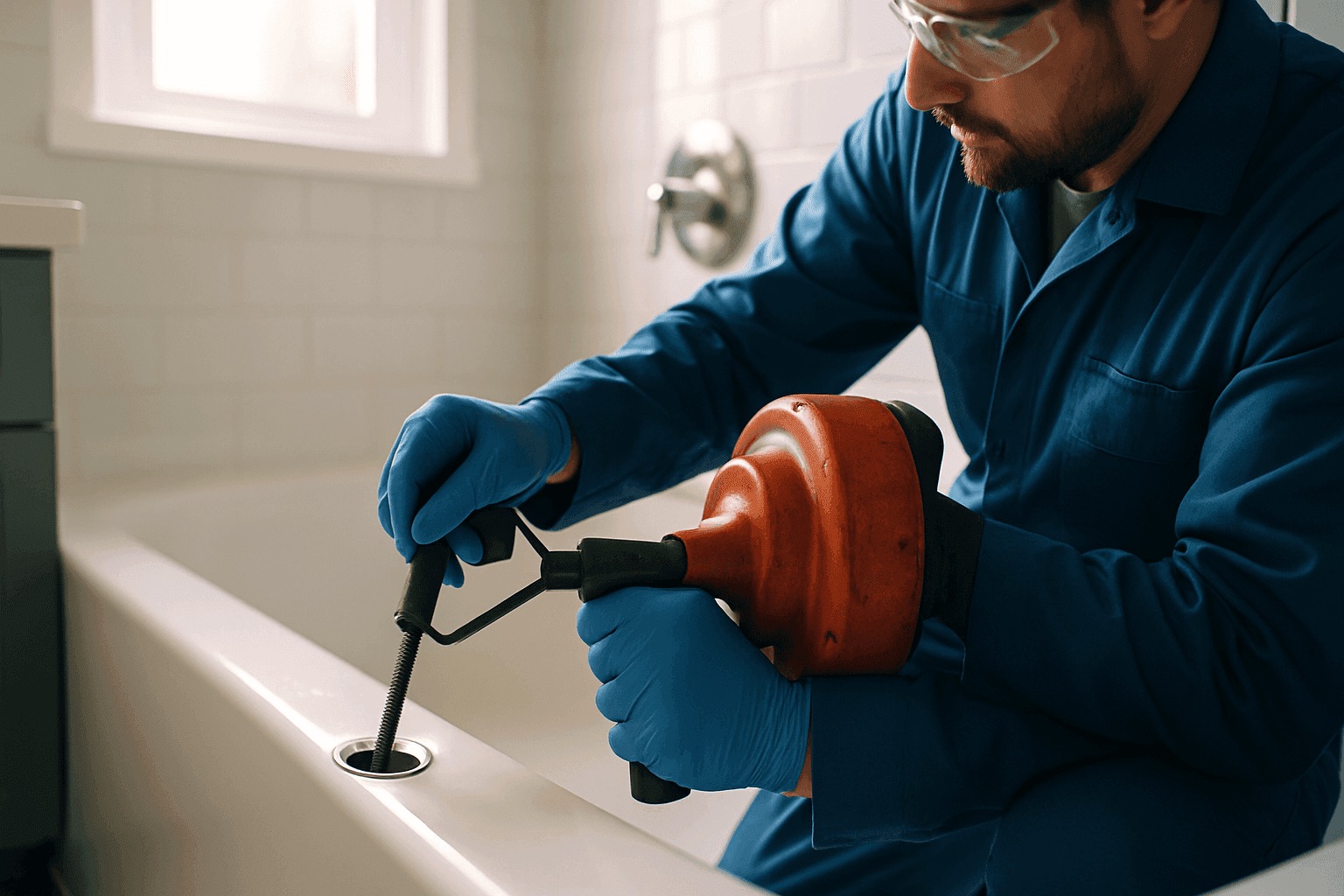
Most homeowners know the sound—a slow gurgle, the water refusing to swirl away. A clogged drain always seems to happen at the worst time. Maybe it’s the night before guests arrive, or after a long day when dishes stack up. The stress is real, but you’re not alone.
At Alvin’s Plumbing, we’ve handled every drain disaster you can imagine. From kitchen sinks to main sewer lines, we help families get back to normal fast—especially when emergency plumbing is needed.
Typical Costs by Drain Type 🛁
Let’s get right to the heart of the matter: how much does it actually cost to clear a drain? The answer depends on which drain is causing trouble. Each has its quirks—and price tag.
Kitchen Sink Drains
Kitchen drains see it all: grease, food scraps, soap. Clearing a basic clog may run $100–$250 with a plumber’s visit. DIY fixes with a plunger or snake might only cost you sweat and a few bucks at the hardware store, but if grease becomes a recurring villain, professional help pays off.
Bathroom Sink, Tub, or Shower Drains
Hair, toothpaste, soap. Bathroom drains get their own unique blend of blockages. Clearing a bathroom sink or tub usually falls in the $100–$200 range for professional help. If the clog is deeper—or you’re dealing with several fixtures at once—the price can creep higher.
Main Sewer Line
This is the big one. If every drain in your house backs up, the clog is likely in the main sewer line. Clearing these blockages can cost $300–$600, sometimes more if extensive work or camera inspection is needed. Sewer Line Repair near you may even involve heavy equipment, depending on severity.
Factors That Affect Pricing
Not all clogs are created equal. Here’s what can make drain cleaning costs rise or fall:
- Severity: A shallow clog is quick. Deep, stubborn blockages—especially tree roots in sewer lines—take more time and tools.
- Accessibility: If a plumber needs to pull a toilet or dig to reach the pipes, labor costs go up.
- Emergency Calls: Night, weekend, or holiday calls often carry a premium. Think of it as “rush hour” for your pipes.
- Type of Drain: Floor drains or main lines cost more to clear than a simple bathroom sink.
- Local Labor Rates: Prices can swing depending on where you live. Urban areas or places with high cost of living tend to be pricier.
What’s Included in Service
When you call in a professional for drain cleaning, what are you actually paying for? Here’s what’s typically included:
- Initial Assessment: Visual inspection, sometimes a camera check for main lines.
- Clearing the Blockage: Using a hand auger (snake), motorized rooter, or high-pressure water jet depending on severity.
- Testing: Ensuring water flows freely before packing up.
- Clean-Up: Respect for your home—no mess left behind.
- Basic Safety Checks: Looking for signs of leaks or pipe damage around the clogged area.
For bigger jobs, like severe main line clogs, the service may also include detailed camera inspection (CCTV), especially if repeated blockages have occurred.
How to Choose a Reliable Plumber
Drains don’t wait for convenient hours, and neither should you. But with so many plumbing companies out there, how do you pick the right one?
- Licensing & Insurance: Make sure the plumber is licensed and carries insurance. This protects you and your home.
- Transparent Pricing: Ask for a clear estimate. A good plumber explains costs and what’s included.
- References & Reviews: Check what other homeowners say. Word of mouth is as old as plumbing itself.
- Response Time: For emergency plumbing, fast response is key.
- Professional Equipment: Quality tools signal a serious, prepared pro.
Don’t be afraid to ask for credentials. It’s your home, after all.
Local and Seasonal Cost Differences
Drain cleaning costs aren’t set in stone. Here’s why:
- Region: In cities with higher living costs, expect higher labor rates. Rural areas might be less.
- Seasonality: After holidays or big events, plumbers see a surge in clogged drains. All those big dinners and extra guests take a toll. During these peak times, demand can bump prices up.
- Weather: Heavy rains can overwhelm older sewer systems, leading to more calls for main line cleaning, especially in spring.
Cost-Saving Tips for Homeowners
Nobody wants a surprise bill. Here’s how to keep costs in check:
- Act Early: If water drains slowly, don’t wait. Early action usually means a smaller problem.
- Know Your Limits: DIY is fine for minor clogs. But if basic fixes don’t work, call a pro before the problem gets bigger (and pricier).
- Regular Maintenance: Have your drains and sewer lines checked every couple of years—especially in older homes.
- Proper Disposal: Don’t pour grease down the kitchen sink. Use drain strainers in bathrooms.
- Ask About Specials: Some plumbers offer seasonal discounts on drain cleaning—especially in slower months.
What’s the Difference: DIY vs. Professional Drain Cleaning?
It’s tempting to grab a bottle of drain cleaner or a plunger and try it yourself. Sometimes, that works! But sometimes, it backfires. Here’s how the two approaches stack up:
DIY
- Pros: Cheap. Fast. Satisfying when it works.
- Cons: Can damage pipes if you use harsh chemicals. Snakes and augers may not reach deep clogs. Repeated DIY can make things worse.
Professional
- Pros: Fast, thorough, and safe for your pipes. Plumbers have the right tools for deep or stubborn clogs—like hydro-jetters or video inspection cameras.
- Cons: Costs more upfront. But often saves money long-term by preventing damage and future clogs.
The bottom line: If a plunger or simple hand snake doesn’t work, or if you notice water backing up in multiple fixtures, it’s time for a pro.
What Pros Do On Arrival
When Alvin’s Plumbing arrives, here’s what you can expect:
- Listen: We ask questions about the problem—when it started, which drains are affected, and what you’ve already tried.
- Inspect: A visual check, sometimes with a small camera if needed.
- Clear: Use the right tool for the job. For kitchen and bathroom sinks, that might be a hand auger. For main lines, a motorized rooter or hydro-jet may be in order.
- Test: Run water through the system to confirm the blockage is gone.
- Advise: We’ll let you know if we spot signs of bigger issues, like pipe corrosion or tree root intrusion.
Prevention & Maintenance
The best way to avoid costly drain cleaning? Keep your pipes happy.
- Watch What Goes Down: No grease, coffee grounds, or fibrous veggies in the kitchen. Hair catchers in the bathroom.
- Routine Flushing: Run hot water down drains regularly. For kitchen sinks, boiling water can help break up grease.
- Professional Inspection: Every few years, especially in older homes, schedule a camera inspection. It’s like a health check for your plumbing.
- Know Your Home: If you have mature trees, roots can invade old sewer lines. Stay alert for signs (like slow drains in several rooms) and act quickly.
- Stay Informed: Plumbing codes and best practices change. The International Association of Plumbing and Mechanical Officials (IAPMO) and local building codes are your go-to sources for updates.
Costs & Time Factors
Let’s talk numbers—realistic ones. Here’s what most homeowners can expect:
- Minor Sink or Tub Clog: $100–$200 (15–60 minutes)
- Toilet Blockage: $100–$250, depending on severity and whether the toilet needs to be removed.
- Main Sewer Line Blockage: $300–$600+ (1–3 hours), especially if roots, grease, or foreign objects are involved.
- Video Inspection Add-On: $100–$300, often recommended for recurring or unexplained backups.
Emergency plumbing calls or service outside regular hours can add 25–50% to these ranges. It’s like paying for a midnight pizza delivery—sometimes you just need it, fast.
When It’s an Emergency
Some drain problems can’t wait. Here’s when to call for emergency plumbing right away:
- Multiple Fixtures Backing Up: Water or sewage in bathtubs, showers, or floor drains is a red flag.
- Overflowing Toilet or Sewage Odors: These can quickly cause water damage (and health risks).
- Standing Water Around Drains: Especially in the basement or near sump pumps.
- You’ve Tried DIY & It’s Getting Worse: Time to call in the cavalry.
A quick call can save thousands in repair costs later.
Frequently Asked Questions
Does homeowners insurance cover drain cleaning?
Usually not. Insurance may kick in if damage is caused by a sudden, accidental event (like a burst pipe), but regular clogs are considered maintenance. Always check your policy and talk to your agent if you’re unsure.
How often should I get my drains cleaned?
For most homes, every 1–2 years is a good rule of thumb—especially for main sewer lines. If you have a history of blockages or mature trees near your sewer line, consider more frequent inspections.
Are chemical drain cleaners safe?
Short answer: use with caution. Many off-the-shelf drain cleaners can damage older pipes (especially if used repeatedly). If you do use them, follow all label instructions and safety warnings. The U.S. Consumer Product Safety Commission (CPSC) provides guidelines on safe use of household chemicals.
What’s the difference between drain cleaning and drain clearing?
Drain clearing removes the immediate blockage. Drain cleaning uses tools like hydro-jetting to scrub the entire pipe, removing build-up and reducing future clogs.
Local and Seasonal Considerations
Drain cleaning isn’t one-size-fits-all. Where you live—and even the time of year—can affect both the need and the cost.
- Urban vs. Suburban vs. Rural: City homes often have older, more complex plumbing. Suburban homes may have newer pipes but longer runs to the main sewer. Rural homes may have septic systems, which come with their own maintenance needs.
- Tree Roots: In older neighborhoods with mature trees, root intrusion is a leading cause of main line clogs.
- Holiday Surges: Thanksgiving, December holidays, and New Year’s see the highest rates of kitchen and sewer clogs. Plumbers’ phones ring off the hook, and prices can rise with demand.
- Weather Patterns: Heavy rain or rapid snowmelt can overwhelm drains and sewers, especially in homes with older infrastructure.
Ready for a Clear Drain—and Peace of Mind?
No one likes to think about clogged pipes until water starts pooling or that tell-tale gurgle echoes through the house. But with a little knowledge—and the right team on your side—most problems are manageable. Whether it’s a routine kitchen sink clog or a late-night sewer backup, Alvin’s Plumbing is ready to help.
Call Alvin's Plumbing now — or reach us anytime at 888-565-9676 .