How to Maintain Your Home Plumbing System Year-Round
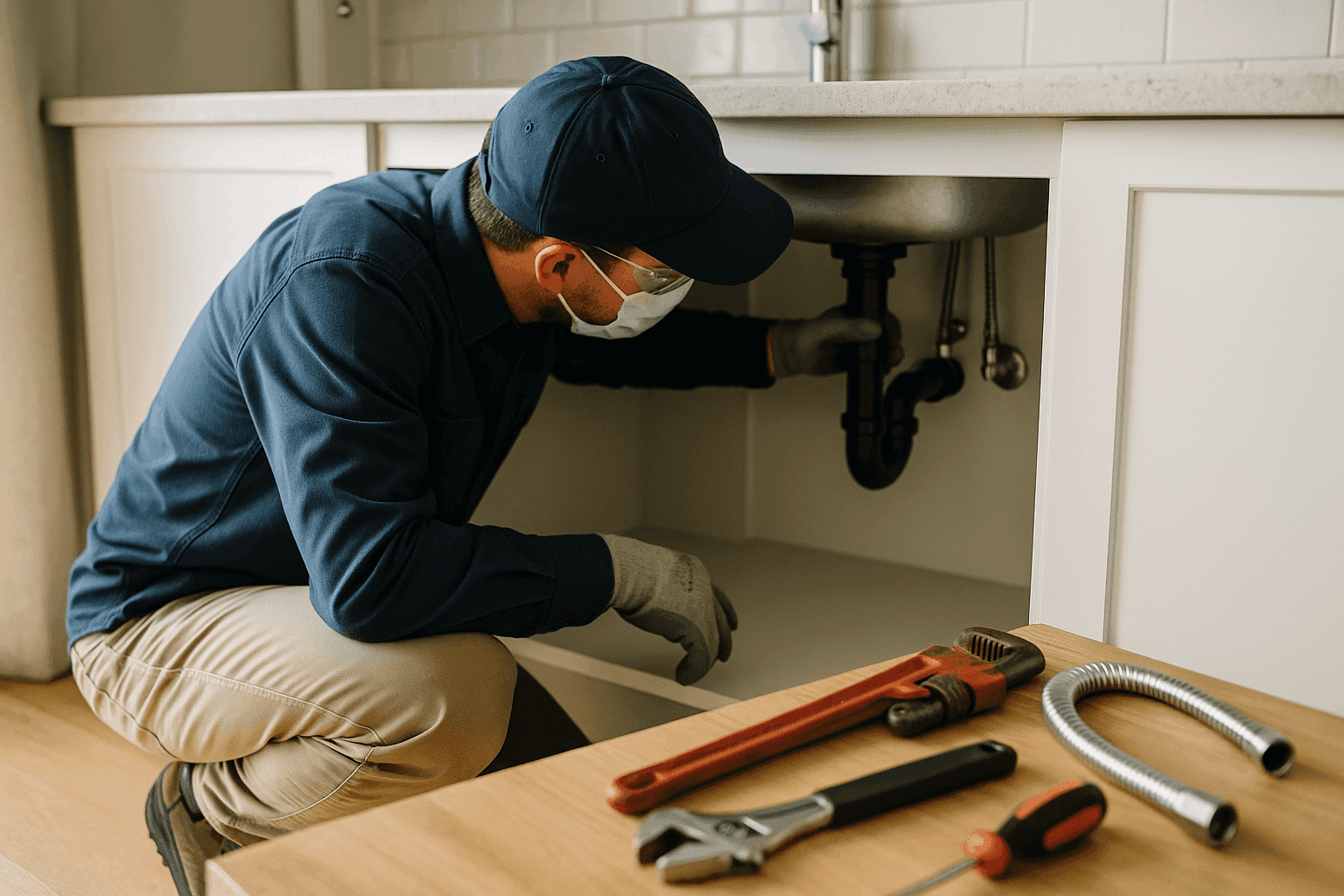
Maintaining your home's plumbing can feel a bit like tending a garden. Ignore it for a season, and weeds—or worse, leaks—can take over. But with a little attention each season, you can avoid most headaches and those dreaded emergency plumbing calls. At Alvin's Plumbing, we’ve seen firsthand how a bit of prevention keeps water where it belongs—and your peace of mind intact.
Whether you own a home or run a small business, plumbing issues never wait for a convenient moment. That’s why we’ve put together this year-round guide: to help you spot trouble early, keep things running smoothly, and know when it’s time to call in the pros.
Why Year-Round Plumbing Maintenance Matters
Picture this: a tiny drip under the sink in spring becomes a full-blown flood by winter. Or a slow-draining tub turns into a stubborn clog just before guests arrive. Plumbing problems rarely announce themselves with a marching band—they whisper, then shout.
Routine maintenance is your early warning system. It helps you:
- Catch leaks before they cause water damage
- Prevent pipes from freezing or bursting
- Keep water heaters and sump pumps working when you need them most
- Avoid those “drop everything” emergency plumbing moments
A little care now means fewer surprises later. And that’s something every homeowner and business owner can appreciate.
Quick Safety Checklist 🚨
Before you grab a wrench or flashlight, safety comes first. Plumbing repairs can involve water, electricity, and even gas. Here’s a quick checklist to keep you safe:
- Turn off water supply before working on fixtures or pipes
- Shut off electricity at the breaker when working near outlets or appliances
- Use gloves and eye protection when handling chemicals or debris
- Ventilate the area if working with gas lines or cleaning agents
- Know your shutoff valves—main, appliance, and gas
- Never ignore a gas smell—leave immediately and call for help
For more on safety, the Occupational Safety and Health Administration (OSHA) offers clear guidelines on home and workplace safety.
Seasonal Plumbing Maintenance Guide
Spring: Fresh Starts and Leak Checks
Spring is the perfect time for a plumbing checkup. As the thaw sets in, here’s what to watch for:
- Inspect pipes for cracks or leaks—winter’s freeze can cause hidden damage
- Check outdoor spigots and hoses for leaks or weak flow
- Look for water stains on ceilings, walls, or under sinks
- Test sump pumps to ensure they’re ready for spring rains
- Clean gutters and downspouts to direct water away from your foundation
If you spot any suspicious drips or puddles, don’t wait. Early action is key.
Summer: Water Heater Prep and Drain Cleaning
Long showers, laundry, and watering the lawn—summer puts your plumbing to the test.
- Flush your water heater to remove sediment and improve efficiency
- Inspect for slow drains—hair and debris build up faster in warmer months
- Check for toilet leaks by adding food coloring to the tank (if it seeps into the bowl, you have a leak)
- Clean out garbage disposal with ice cubes and citrus peels
- Inspect irrigation systems for leaks or broken sprinkler heads
A little cleaning now keeps things flowing when you’re busiest.
Fall: Gearing Up for Cold Weather
As the leaves fall, your pipes need protection from the coming chill.
- Insulate exposed pipes in basements, crawl spaces, and garages
- Disconnect and drain outdoor hoses to prevent freezing
- Check water heater temperature (120°F is safe and efficient)
- Test shutoff valves to make sure they work smoothly
- Schedule a backflow test if you have a sprinkler or irrigation system
A few simple steps can save you from a winter plumbing disaster.
Winter: Freeze Prevention and Emergency Readiness
Winter’s cold snaps can be brutal on pipes. Preparation is your best defense.
- Let faucets drip during extreme cold to prevent freezing
- Open cabinet doors to allow warm air to reach pipes under sinks
- Check boiler and heating systems for leaks or pressure issues
- Know where your main shutoff valve is—and make sure it’s accessible
- Keep emergency numbers handy (including Alvin’s Plumbing!)
If you suspect a frozen pipe, don’t try to thaw it with an open flame. Use a hair dryer or warm towels, and call for help if you’re unsure.
How to Spot Early Warning Signs
Plumbing problems rarely appear overnight. Here’s what to watch for:
- Unusual sounds: banging, whistling, or gurgling pipes
- Low water pressure: could signal a hidden leak or clog
- Discolored water: rust or sediment in the lines
- Damp spots: on walls, ceilings, or floors
- Persistent odors: from drains or fixtures
Think of these as your plumbing’s way of raising a hand for help. Don’t ignore them.
DIY vs. Call a Pro
Some tasks are perfect for a weekend project. Others need a professional touch.
DIY-friendly tasks:
- Replacing faucet washers or showerheads
- Unclogging minor sink or tub drains with a plunger
- Cleaning aerators on faucets
- Flushing your water heater (follow the manufacturer’s instructions)
- Checking and tightening visible pipe connections
Call a pro for:
- Persistent leaks or water stains
- Gas line issues or strange smells
- Sewer line backups or slow drains in multiple fixtures
- Water heater or boiler problems
- Backflow prevention and testing
- Major pipe repairs or repiping
When in doubt, it’s safer (and often cheaper) to get professional help than to risk a bigger mess.
What Professionals Do On Arrival
When Alvin’s Plumbing arrives, you can expect a thorough, step-by-step approach:
- Assessment: We listen to your concerns and inspect the affected area.
- Diagnosis: Using tools like leak detectors, video cameras, and pressure gauges, we pinpoint the problem.
- Clear Communication: We explain what’s wrong, what needs to be done, and answer your questions.
- Repair or Maintenance: We use quality parts and proven techniques to fix the issue.
- Safety Checks: We test for gas leaks, backflow, and water pressure to ensure everything’s working as it should.
Our goal is to leave your plumbing in better shape than we found it—and to help you prevent future problems.
Prevention & Maintenance Tips
A few habits can keep your plumbing healthy year-round:
- Don’t pour grease down the drain—it hardens and causes clogs
- Use drain screens in sinks and tubs to catch hair and debris
- Run hot water through drains weekly to help clear buildup
- Check washing machine hoses for bulges or cracks
- Schedule annual inspections for water heaters, sump pumps, and backflow devices
- Test your water pressure—too high can stress pipes, too low can signal leaks
The International Association of Certified Home Inspectors (InterNACHI) recommends annual plumbing checks as part of a safe, well-maintained home.
Costs & Time Factors
Plumbing maintenance doesn’t have to break the bank—or your schedule.
- DIY tasks: Most take 10–30 minutes and cost little more than a few basic tools or supplies.
- Professional inspections: Plan for an hour or two, depending on the size of your home or business.
- Repairs: Simple fixes (like a leaky faucet) are quick. Larger jobs (like repiping or sewer line repair) take longer and cost more.
Investing a little time each season can save hundreds—or even thousands—by avoiding emergency plumbing calls and water damage repairs.
When It’s an Emergency
Some plumbing problems can’t wait. Call for help immediately if you notice:
- Burst pipes or flooding
- Sewage backups or strong sewer odors
- No water coming from your taps
- Gas leaks (smell of rotten eggs or hissing sound)
- Water heater leaks or strange noises
In these cases, shut off water or gas at the main valve if you can do so safely, then call Alvin’s Plumbing right away.
Frequently Asked Questions
How often should I have my plumbing inspected?
Once a year is a good rule of thumb. If you have an older home or frequent issues, consider twice a year—especially before winter.
Is it safe to use chemical drain cleaners?
Most plumbers recommend avoiding them. Chemicals can damage pipes and harm the environment. Try a plunger or a drain snake first. If that doesn’t work, call a professional.
What’s the best way to prevent frozen pipes?
Insulate exposed pipes, let faucets drip during cold snaps, and keep cabinet doors open to allow heat to circulate. If you’re leaving home for an extended period, set your thermostat no lower than 55°F.
Why does my water pressure change suddenly?
Sudden drops in water pressure can signal a leak, clog, or problem with your main supply. If it doesn’t resolve quickly, have a professional check your system.
Special Considerations for Your Plumbing System
Every home and business is unique. If you have:
- Older pipes (galvanized or lead), consider repiping for safety and efficiency
- Basement sump pumps, test them before rainy seasons
- Gas appliances, schedule regular safety checks and maintenance
- Backflow prevention devices, annual testing is often required by code
- Water filtration systems, replace filters as recommended by the manufacturer
Keeping up with these extras ensures your plumbing is safe, efficient, and ready for whatever the year brings.
Call Alvin's Plumbing now — or reach us anytime at 888-565-9676 .