Pipe Repair or Repiping? How to Decide for Your Home
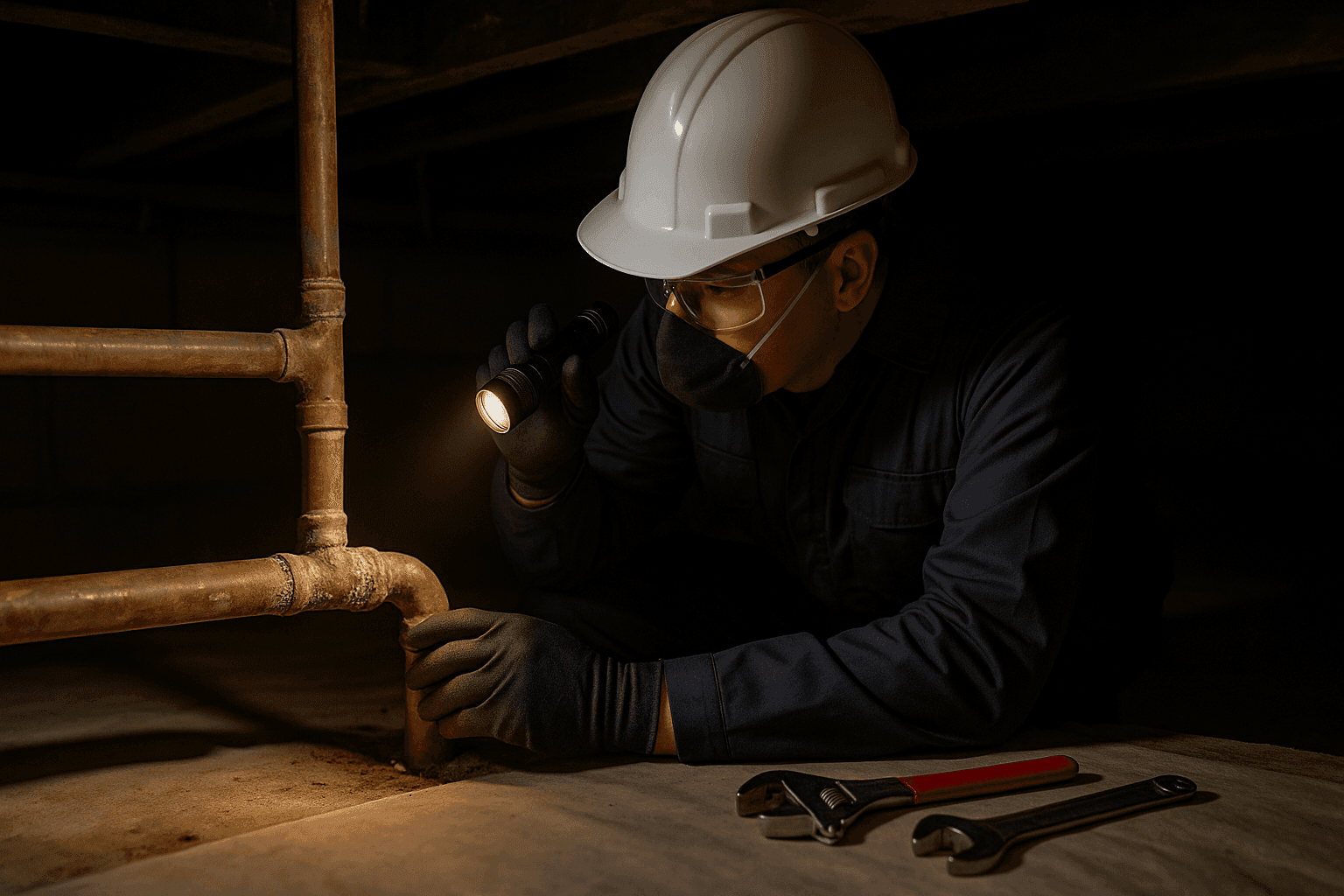
You hear it—a drip behind the wall. Or maybe you spot a rusty stain on the basement ceiling. Sometimes, a pipe bursts, and you’re ankle-deep in water by sunrise. These are moments no homeowner wants, but they happen more than you’d think.
At Alvin’s Plumbing, we know plumbing problems don’t wait for a good time. Whether it’s a small leak or a major flood, deciding between pipe repair and repiping is a big call. Let’s break it down, so you can make the smartest move for your home (and your wallet).
Signs of Pipe Problems 🚰
How do you know your pipes need attention? Sometimes the clues are subtle; other times, they shout.
- Water stains or damp spots on ceilings and walls
- Sudden drops in water pressure
- Discolored or rusty water from faucets
- Recurring leaks or puddles under sinks
- Moldy, musty odors near plumbing
- Frequent clogs or slow drains
- Odd banging or gurgling noises in pipes
If you spot more than one of these, it’s time to take a closer look. According to the International Association of Certified Home Inspectors (InterNACHI), pipe material and age are key risk factors. Galvanized steel pipes, for example, often last 40–50 years. If your house is older, your pipes might be reaching the end of their story.
When Repair Is Enough
Not every plumbing issue means a total overhaul. Sometimes a quick fix is all you need.
Repair makes sense when:
- The leak is isolated—one spot, not many.
- Pipes show no severe corrosion or pitting.
- The issue is recent, not chronic.
- The rest of the plumbing is in good shape (no visible rust, scaling, or green stains).
Think of it like patching a tire. If you hit a nail, you plug the hole. But if the rubber is shredded, it’s time for a new tire. The same goes for pipes.
Common repairs Alvin’s Plumbing handles:
- Replacing a single burst or cracked pipe section
- Tightening or resealing joints
- Addressing minor leaks at fixtures (like under sinks or at the water heater)
- Small-scale corrosion removal
When to Consider Repiping
Sometimes, the problems run deeper—literally. Repiping means replacing all or most of the plumbing in your home.
Red flags for repiping:
- Frequent leaks in different spots (not just one area)
- Major corrosion (green, white, or powdery buildup)
- Water that tastes metallic or smells odd
- Noticeable drop in water quality or pressure across the house
- Old materials (such as lead, polybutylene, or galvanized steel)
- Visible rust flakes in your tap water
If your home is over 50 years old and still has its original pipes, repiping is often the safest route. Not only does it prevent future leaks, but it also protects your family’s health—especially if lead pipes are involved. The U.S. Environmental Protection Agency (EPA) warns that even low levels of lead in drinking water are unsafe.
Other reasons to repipe:
- Planning major renovations (kitchen or bathroom remodels)
- Upgrading to modern, safer materials (like PEX or copper)
- Preparing to sell your home—smart buyers ask for updated plumbing
Costs & Materials
Let’s talk numbers. Pipe repair is usually less expensive up front, but costs add up if you’re fixing leaks over and over.
Repair costs:
- Generally lower if the problem is small and localized
- Can skyrocket with hidden damage or repeated issues
Repiping costs:
- Higher up front, but a one-and-done solution
- Can increase property value and peace of mind
Common pipe materials:
- Copper: Durable, long-lasting, and resists bacteria. Higher material cost, but great longevity.
- PEX (cross-linked polyethylene): Flexible, affordable, and easy to install. Resistant to scale and chlorine.
- CPVC/PVC: Good for water supply and drain lines; less common for full-home repipes.
- Galvanized steel: Outdated and prone to corrosion—time to upgrade if you still have it.
- Lead: Must be replaced for health and safety.
ROI to consider: A full repipe may boost your home’s resale value, especially if you swap out lead or galvanized pipes. Repair, on the other hand, buys time but may not address underlying risks.
What to Expect During Repiping
Worried about the mess? Repiping is a big job, but with the right crew, it’s manageable.
Here’s what typically happens:
- Assessment: Alvin’s Plumbing inspects your system using advanced leak detection and pipe cameras.
- Transparent quote: We explain your options, materials, and the process. No surprises.
- Prep: Furniture is moved and floors protected. Water is shut off briefly.
- Pipe replacement: Old pipes are removed, new pipes installed—usually room by room.
- Testing: Water pressure is checked, and connections are inspected for leaks.
- Cleanup: Patching walls, restoring access panels, and a thorough clean-up.
Most home repiping jobs take 2–5 days. You’ll have water most evenings, and we keep disruption to a minimum.
Health, Safety, and Code Considerations 🛑
Pipes aren’t just about getting water from point A to B. Old or damaged pipes can expose your family to lead, mold, or bacteria. That’s why Alvin’s Plumbing follows all local building codes and plumbing safety standards (like the Uniform Plumbing Code and national guidelines).
Quick safety checklist:
- Know your pipe material and age
- Check for signs of leaks or corrosion regularly
- Test your water if you notice color, odor, or taste changes
- Schedule annual plumbing inspections
Gas line work? Leave it to licensed professionals—never DIY gas line repairs or installations.
Repair or Repipe? Weighing the Decision
Here’s how to make the call:
- How old are your pipes?
- Are the problems isolated or all over?
- What’s your water quality like?
- Are you planning to remodel soon?
- What’s your long-term budget?
If you’re constantly calling for emergency plumbing, repiping might actually cost less in the long run. Don’t just patch—plan for the future.
Practical Tips for Homeowners
- Keep an eye on your water bill. Sudden spikes may signal hidden leaks.
- Know where your main shut-off valve is—quick action can save thousands in water damage.
- Schedule regular sewer line inspections—especially if you have large trees near your home.
- Don’t ignore small leaks. Water always finds a way to make a small problem bigger.
Frequently Asked Questions
How long do pipes last? It depends on the material. Copper can last over 50 years, while galvanized steel may need replacing after 40. PEX typically lasts 40–50 years. Lead pipes should always be replaced.
Is it safe to stay home during repiping? Yes, in most cases. You may be without water for short periods, but we work room by room to limit disruption.
Can I just replace part of my pipes? Sometimes. But if the system is failing in multiple places, partial repairs might just delay the inevitable.
How do I know if it’s an emergency? If water is pouring out, there’s a gas smell, or you lose water pressure suddenly, call Alvin’s Plumbing for emergency plumbing right away.
Seasonal & Local Considerations 🌦️
Extreme cold can freeze and burst pipes, especially in older homes. Heat and drought can dry out soil, shifting foundations and stressing underground sewer lines. If you live in an area with hard water, mineral buildup can shorten pipe lifespan. Preventative maintenance is key—don’t wait for disaster to strike.
Plan Your Next Step
Pipe repair or repiping isn’t just a quick fix—it’s an investment in your home’s future. At Alvin’s Plumbing, our licensed team handles every type of pipe, from copper to PEX. Every quote is clear and honest, every job done with care.
Call Alvin's Plumbing now — or reach us anytime at 888-565-9676 .