Preventing Plumbing Disasters: Essential Seasonal Maintenance Tips
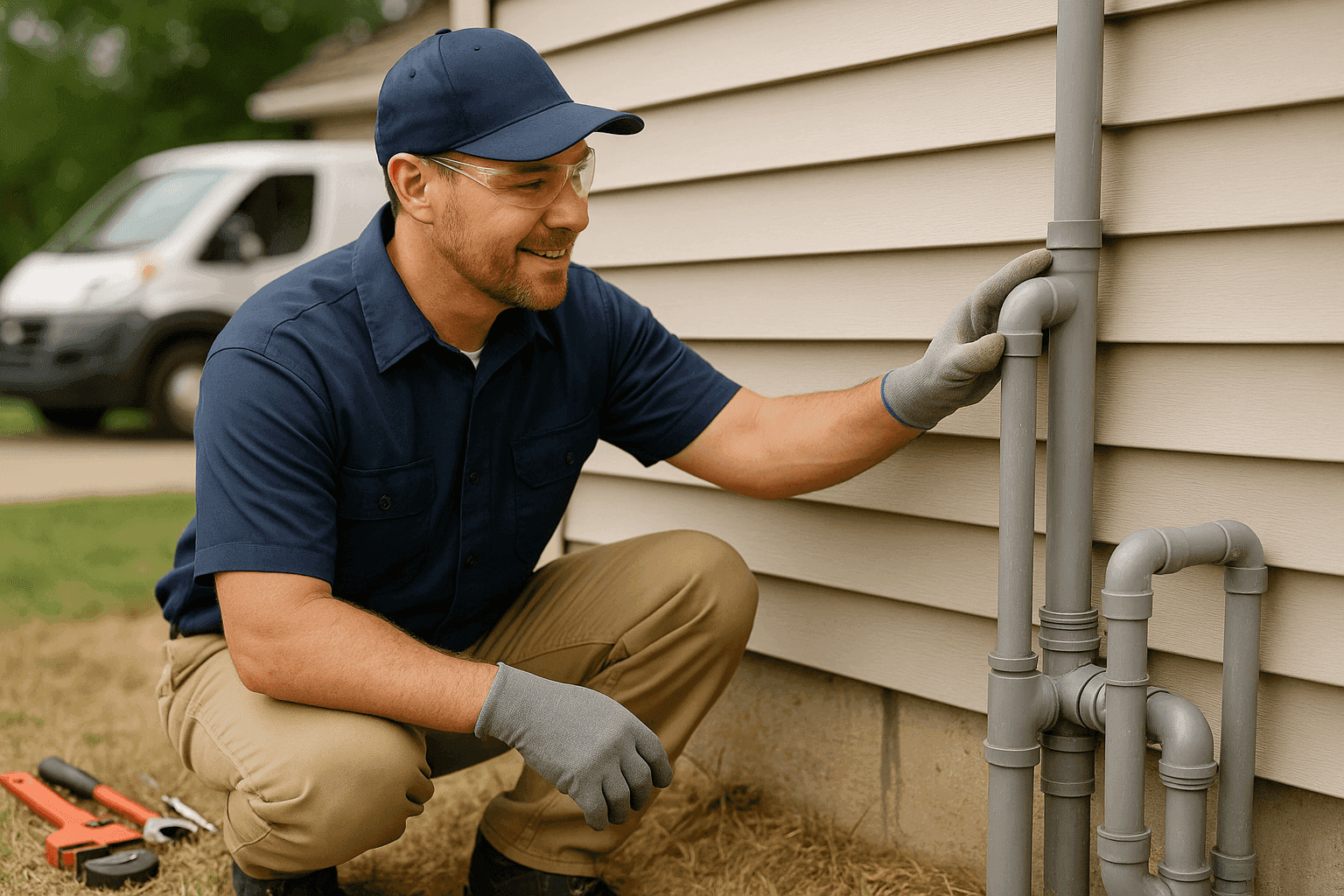
When a pipe bursts or a drain backs up, life screeches to a halt. Water everywhere. Panic sets in. We know the feeling—at Alvin’s Plumbing, we’ve seen it all. The good news? Most plumbing disasters can be prevented with a little foresight and seasonal care.
Think of your plumbing like the circulatory system of your home or business. It quietly keeps things running, but when something goes wrong, the whole system suffers. That’s why regular, timely maintenance isn’t just smart—it’s essential.
Why Seasonal Plumbing Maintenance Matters
Every season brings its own challenges. Winter’s deep freeze. Spring’s heavy rains. Summer’s heat and water use spikes. Fall’s dropping temperatures and leaf build-up. Each can push your plumbing to its limits.
Ignoring small issues is like letting a tiny leak in a dam go unchecked. Over time, it grows until disaster strikes. Regular seasonal maintenance is your best defense against surprise emergencies, costly repairs, and business interruptions.
Winter: Preventing Frozen Pipes and Bursts ❄️
Frozen pipes aren’t just inconvenient—they’re a leading cause of emergency plumbing calls. When water freezes, it expands, turning pipes into ticking time bombs.
How to Protect Your Pipes in Winter
- Insulate exposed pipes in basements, attics, crawlspaces, and garages. Foam sleeves or fiberglass wrap work well.
- Seal cracks and openings around doors, windows, and where pipes enter walls.
- Let faucets drip slightly during severe cold snaps to keep water moving.
- Open cabinet doors under sinks to allow warm air to circulate around pipes.
- Disconnect outdoor hoses and shut off exterior faucets.
Warning Signs to Watch For
- Sudden drop in water pressure.
- Frost on exposed pipes.
- Unusual sounds—clanking or banging when turning on faucets.
- Water stains or damp spots appearing on walls or ceilings.
If you notice any of these, act fast. A frozen pipe can burst without warning.
Spring: Drain Cleaning and Flood Prevention 🌧️
As snow melts and rain picks up, your drains and sump pumps work overtime. Spring is prime time for clogs and backups.
Spring Plumbing Checklist
- Clear debris from gutters and downspouts to prevent water pooling near your foundation.
- Test your sump pump by pouring water into the pit. It should turn on and pump water out.
- Schedule professional drain cleaning to remove winter build-up, grease, and roots.
- Check basement and crawlspace for moisture—a musty smell can signal hidden leaks.
Signs of Drain Trouble
- Slow-draining sinks or tubs.
- Gurgling sounds from toilets or drains.
- Water backing up in basement or floor drains.
Regular cleaning keeps water flowing and helps avoid nasty surprises after a spring storm.
Summer: Leak Detection and Water Heater Care ☀️
Summer brings higher water use—showers, laundry, watering gardens. It’s also the season when unnoticed leaks can quietly waste gallons and drive up bills.
Summer Plumbing To-Dos
- Inspect all visible pipes for drips, rust, or mineral deposits.
- Check under sinks and around appliances for dampness.
- Look for signs of water heater trouble: puddles, strange noises, or inconsistent hot water.
- Inspect outdoor plumbing—spigots, sprinkler lines, and irrigation systems.
Early Leak Warning Signs
- Sudden spikes in your water bill.
- Mold or mildew smells.
- Soft spots or discoloration on walls, floors, or ceilings.
- Reduced water pressure.
Spotting leaks early saves money and prevents bigger headaches down the road.
Fall: Preparing for Cold Weather and Heavy Use 🍂
Fall is the time to get your plumbing ready for the chill ahead. Think of it as setting the stage for a smooth winter.
Fall Maintenance Steps
- Flush your water heater to remove sediment and improve efficiency.
- Check and replace worn washers in faucets to prevent drips.
- Inspect and clean sump pumps before the rainy season.
- Test shut-off valves—make sure you can turn them easily in case of emergency.
- Schedule a backflow test if required for your property type.
What to Watch For
- Dripping outdoor faucets after use.
- Clogs in gutters or downspouts.
- Sump pump running constantly or not at all.
A little prep in the fall can mean the difference between a cozy winter and a plumbing nightmare.
Quick Safety Checklist
- Know where your main water shut-off valve is.
- Keep emergency plumbing contacts handy.
- Never use open flames to thaw pipes.
- Avoid chemical drain cleaners—they can damage pipes and harm the environment.
- Check for gas leaks if you smell rotten eggs—leave the area and call for help.
DIY or Call a Pro?
Some plumbing tasks are safe for DIY, like tightening a loose faucet or using a plunger. But when it comes to major leaks, gas lines, water heater issues, or anything involving sewage, it’s time to call Alvin’s Plumbing.
DIY:
- Unclogging minor drains with a plunger.
- Tightening loose fittings.
- Insulating exposed pipes.
Call a Pro:
- Persistent leaks or water stains.
- No hot water or water heater noises.
- Gas line concerns.
- Sewer line blockages.
- Backflow prevention and testing.
Remember, safety first. If you’re unsure, don’t risk it.
What Happens When the Pros Arrive
When you call Alvin’s Plumbing for emergency plumbing or seasonal maintenance, here’s what to expect:
- Swift assessment of the situation—identifying the root cause.
- Use of specialized tools: thermal imaging for leak detection, drain cameras for blockages.
- Adherence to plumbing code and safety standards (referencing the Uniform Plumbing Code and National Standard Plumbing Code).
- Clear communication about findings and next steps.
- Efficient repairs with minimal disruption to your home or business.
We treat your property with care and respect—leaving things clean and safe.
Prevention & Maintenance: The Smart Approach
Staying ahead of plumbing problems is like keeping your car tuned up. A little attention now saves you from breakdowns later.
Regular Maintenance Tips
- Schedule annual inspections for your plumbing system.
- Drain and flush your water heater yearly.
- Clean out traps under sinks.
- Test sump pumps and backflow preventers.
- Replace old hoses on washing machines and dishwashers every 3–5 years.
Benefits of Preventative Care
- Lower risk of emergency plumbing disasters.
- Fewer costly repairs.
- Improved water efficiency and lower bills.
- Peace of mind for you, your family, or your business.
Costs & Time Factors
Plumbing maintenance doesn’t have to break the bank. Most routine inspections or minor repairs can be done in an hour or two. More complex tasks—like repiping or water heater installation—take longer and require specialized skills.
Typical time frames:
- Minor leak repair: 30–90 minutes.
- Drain cleaning: 1–2 hours.
- Water heater maintenance: 1–2 hours.
- Full inspection: 1–3 hours.
Cost factors include:
- Age and condition of your plumbing.
- Accessibility of pipes and fixtures.
- Parts or materials needed.
Investing in maintenance is always less expensive than dealing with a full-blown emergency.
When It’s an Emergency
Some plumbing issues can’t wait. If you experience any of the following, call Alvin’s Plumbing right away:
- Burst pipes or uncontrollable leaks.
- Sewage backing up into sinks, tubs, or toilets.
- No water or no hot water.
- Gas smells or suspected leaks.
- Flooding in basements or crawlspaces.
Quick action can mean the difference between a minor repair and major property damage.
FAQ: Seasonal Plumbing Maintenance
How often should I schedule plumbing maintenance?
At least once a year, ideally at the start of fall or spring. High-use properties may benefit from more frequent checks.
What’s the best way to prevent frozen pipes?
Insulate exposed pipes, keep heat on in unoccupied spaces, and let faucets drip during extreme cold.
Can I use chemical drain cleaners for clogs?
It’s best to avoid them. They can corrode pipes and harm the environment. Try a plunger or call a professional for stubborn clogs.
My water bill jumped suddenly—what should I check?
Look for hidden leaks under sinks, around toilets, and in your basement. If you can’t find the source, schedule a leak detection service.
Special Considerations for Homes and Small Businesses
Plumbing needs can differ between homes and businesses. Commercial properties often have more complex systems, higher usage, and stricter code requirements. Regular backflow testing, grease trap maintenance, and gas safety checks are especially important for small businesses.
For both homeowners and business owners, keeping accurate maintenance records helps spot patterns and plan for upgrades. If you rent or lease, make sure you know who’s responsible for plumbing upkeep.
Preventing plumbing disasters is all about staying a step ahead. With these seasonal tips, you can keep your plumbing in top shape and avoid the stress of emergency plumbing calls. Want a handy reminder? Download our printable seasonal plumbing checklist to keep your home or business running smoothly all year.
Call Alvin's Plumbing now — or reach us anytime at 888-565-9676 .