Sewer Line Problems: Signs, Causes & Best Solutions
It starts with a gurgle. Maybe a slow drain. Sometimes, a smell you can’t quite place. These are your home’s way of whispering, “Help.” Ignore those whispers, and you might wake to a basement full of sewage or a backyard that feels like a swamp.
At Alvin’s Plumbing, we’ve seen it all—burst pipes after storms, backed-up toilets at midnight, and lawns sinking as quietly as quicksand. With decades of emergency plumbing experience, we know the difference between a small problem and a disaster in the making.
Key Signs Your Sewer Line Needs Help 🚨
Your sewer line is the silent highway beneath your home—until it isn’t. Here’s how it cries out for attention:
- Slow Drains in Multiple Fixtures: If your sinks, tubs, and toilets are all sluggish, the problem runs deeper than a simple clog.
- Frequent Backups: One overflowing toilet? Maybe a fluke. All of them? That’s a red flag for your main line.
- Foul Odors: Smelling rotten eggs or sewage indoors or outside? Gases escaping from cracks or leaks are waving a warning flag.
- Lawn Sogginess or Sinkholes: Soggy patches, sudden dips, or lush green stripes in your yard can mean a broken pipe is feeding plants—and not in a good way.
- Gurgling Sounds: Bubbling in your toilet or drain means air is trapped where it shouldn’t be.
Before/After Scenario:
Before: Homeowner ignores slow drains after a storm.
After: Heavy rain pushes debris into a cracked pipe. Sewage backs up into the basement overnight, causing water damage and a lingering health hazard.
Common Causes: What’s Really Going On Underground
Most sewer line problems don’t happen overnight. They’re a slow burn, building up beneath your feet.
Tree Roots: Nature’s Plumbers
Trees search for water with relentless determination. Tiny hair-like roots can slip into the smallest pipe cracks. Over time, they grow, clog, and finally break the line wide open.
Grease & Non-Flushables: Enemies of Flow
Pouring grease down the drain is like pouring glue into your pipes. It cools, hardens, and traps everything else. Wipes, hygiene products, and “flushable” items? They bunch up, creating stubborn blockages.
Aging or Damaged Pipes
Old pipes—especially clay, cast iron, or Orangeburg—are ticking time bombs. Soil shifts, temperature swings, and normal wear can lead to cracks, corrosion, or even collapse.
Heavy Rain & Flooding
After storms, groundwater can force its way through cracks or joints, or overwhelm systems not designed for today’s rainfall. This is when emergency plumbing services spike.
Sewer Camera Inspections: Seeing Is Believing 🎥
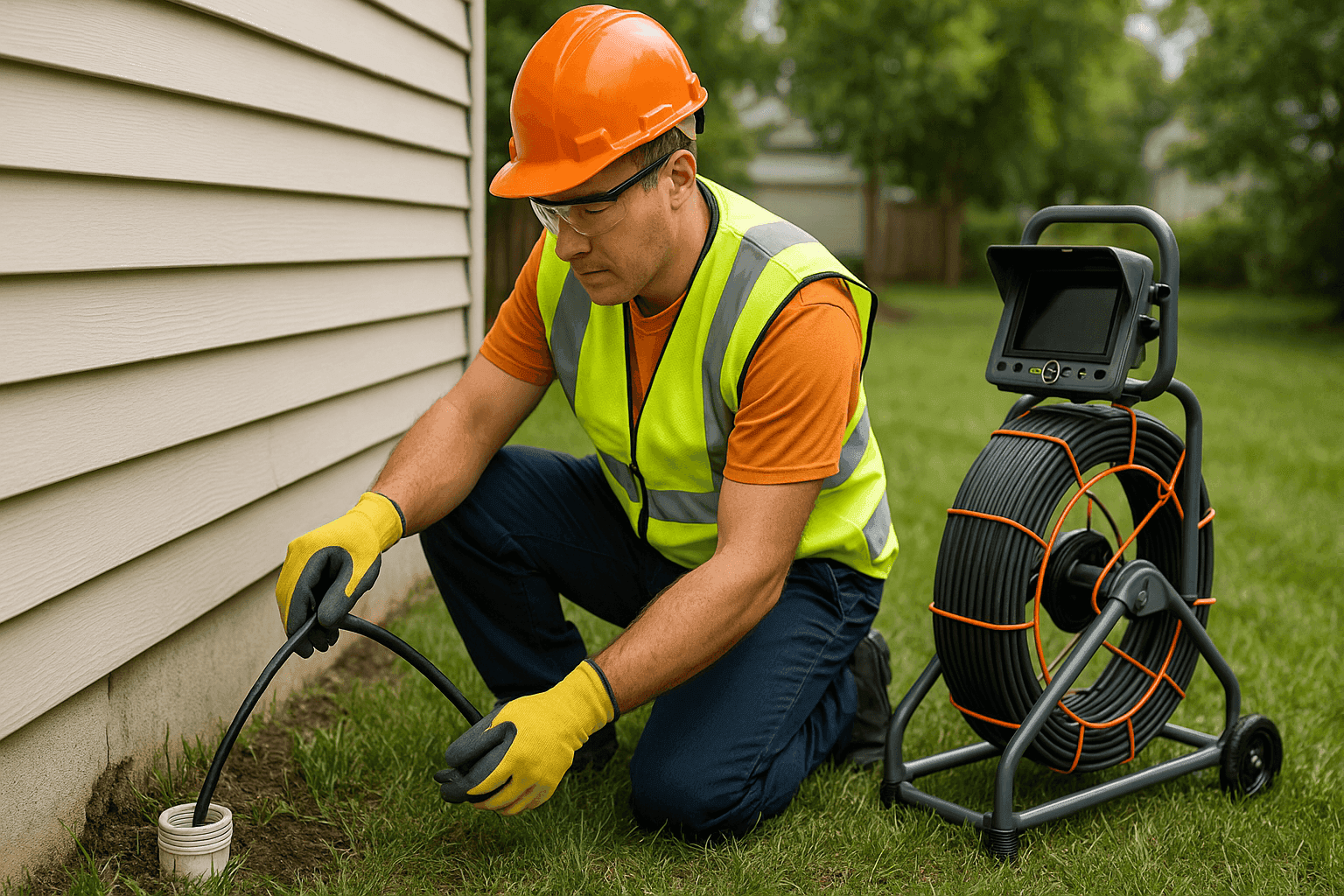
Guesswork has no place in sewer line repair near you. That’s why Alvin’s Plumbing starts with a high-definition camera inspection.
- Pinpoint Problems: See exactly where roots, breaks, or blockages lurk.
- No Guessing: We show you real-time video, so you know what’s happening.
- Plan Repairs: Target the fix, saving time and money.
Building codes (like the International Plumbing Code, Section 708) now recommend regular sewer inspections for older homes or after severe weather.
Trenchless vs. Traditional Repair Methods
You don’t always need to dig up your lawn to fix a sewer line.
Trenchless Repair
- Minimal digging. Sometimes just two small holes.
- Methods: Pipe lining (creates a new pipe inside the old one) or pipe bursting (breaks the old pipe, pulls a new one into place).
- Fast—often done in a day.
- Less mess, less landscaping cost.
Traditional Excavation
- Necessary if the pipe is severely collapsed or in complex situations.
- Involves digging a trench along the pipe for full access and replacement.
- More disruptive, but sometimes the only safe option.
Alvin’s Plumbing always recommends the safest, most effective method for your situation—not just the quickest fix.
Preventive Maintenance: Keep Trouble at Bay 🛡️
An ounce of prevention is worth a pound of sludge. Here’s how to keep your sewer line clear and healthy:
- Schedule Annual Inspections: Especially if your home is 30+ years old or surrounded by trees.
- Don’t Flush Trouble: Only toilet paper and human waste belong in the toilet. No wipes, diapers, or hygiene products.
- Dispose of Grease Properly: Pour cooled grease into a container—never down the sink.
- Install Drain Screens: Catch hair and debris before they enter the pipes.
- Know Your Cleanout Location: In an emergency, this allows faster, less invasive access for plumbers.
The CDC and EPA both stress the importance of maintaining residential sewer systems to protect drinking water and health.
Before & After: Real-World Results
Before: Every rainstorm, a family’s basement would flood.
After: A camera found root invasion. Trenchless repair stopped the backups, and their home stayed dry—even after the next season’s storms.
It’s not just about comfort. Sewer line repair is about safety. Sewage backups can expose your family to dangerous bacteria and mold.
Sewer Line Safety Checklist
- Are multiple drains slow?
- Do you smell sewage indoors or outside?
- Have you noticed soggy patches in your yard?
- Have you experienced frequent backups, especially after rain?
- Have you had recent landscaping or tree planting near sewer lines?
If you answer yes to any, it’s time to take action.
DIY Fixes vs. Calling a Pro
DIY
- Small clogs in a single drain: Try a plunger or drain snake.
- Use enzyme-based cleaners (never chemical ones—they can corrode pipes).
When to Call a Pro
- Recurring or multiple slow drains.
- Backups involving more than one fixture.
- Sewer odors inside.
- Water stains or mold in the basement.
- After a major storm or flood.
Trying to fix a main sewer line yourself is like playing with fire. Emergency plumbing teams have the training, equipment, and safety gear to handle hazards like sewage gas and contaminated water.
What Pros Do On Arrival
- Inspection: Visual check and camera inspection to locate the issue.
- Safety First: Use protective gear and isolate the affected area.
- Clear Blockages: Mechanical snakes or hydro-jetting to remove clogs.
- Repair or Replace: Depending on the damage, use trenchless or traditional methods.
- Test & Clean Up: Ensure everything flows and sanitize affected areas.
Costs & Time Factors
- Inspection: Usually 1–2 hours.
- Minor Repairs (trenchless): Can be completed same day.
- Major Repairs (excavation): May take 1–3 days, depending on depth and access.
- Cost Range: Varies by repair type, pipe material, and length. Trenchless may cost more upfront but saves on landscaping.
Remember, delaying repairs often increases both the time and cost.
When It’s an Emergency
- Sewage backing up into tubs, toilets, or sinks
- Unusual odors after heavy rain
- Flooding in the basement or yard
These are urgent health risks. Contact an emergency plumbing team immediately. Exposure to raw sewage can cause illness, especially for children, elderly, and pets.
FAQ: Sewer Line Problems
Q: Why do sewer line issues get worse after storms?
A: Heavy rain can overwhelm old or damaged pipes, forcing groundwater and debris inside. Tree roots may also grow faster in wet weather.
Q: What happens if I ignore sewer odors or slow drains?
A: Problems rarely fix themselves. Ignored sewer issues can lead to flooding, property damage, and health hazards from bacteria and mold.
Q: Can I plant trees near my sewer line?
A: It’s best to avoid planting large trees within 10–15 feet of your sewer line. Roots are one of the biggest causes of pipe damage.
Q: How often should I have my sewer lines inspected?
A: For older homes or properties with lots of trees, every 1–2 years. After a major storm, consider an extra check.
Local & Seasonal Considerations 🌧️
Spring and fall bring heavy rains, which challenge older sewer systems the most. After a storm, watch for sudden slowdowns or soggy lawn patches. In colder months, freeze-thaw cycles can cause cracks to widen.
If you live in a flood-prone area, consider backflow prevention devices and sump pump maintenance—both are specialties at Alvin’s Plumbing.
Sewer line problems aren’t just messy. They’re a real threat to your home and health. Don’t wait for disaster to strike. Call Alvin's Plumbing now — or reach us anytime at 888-565-9676 .