Toilet Troubleshooting: DIY Fixes & When to Call a Plumber
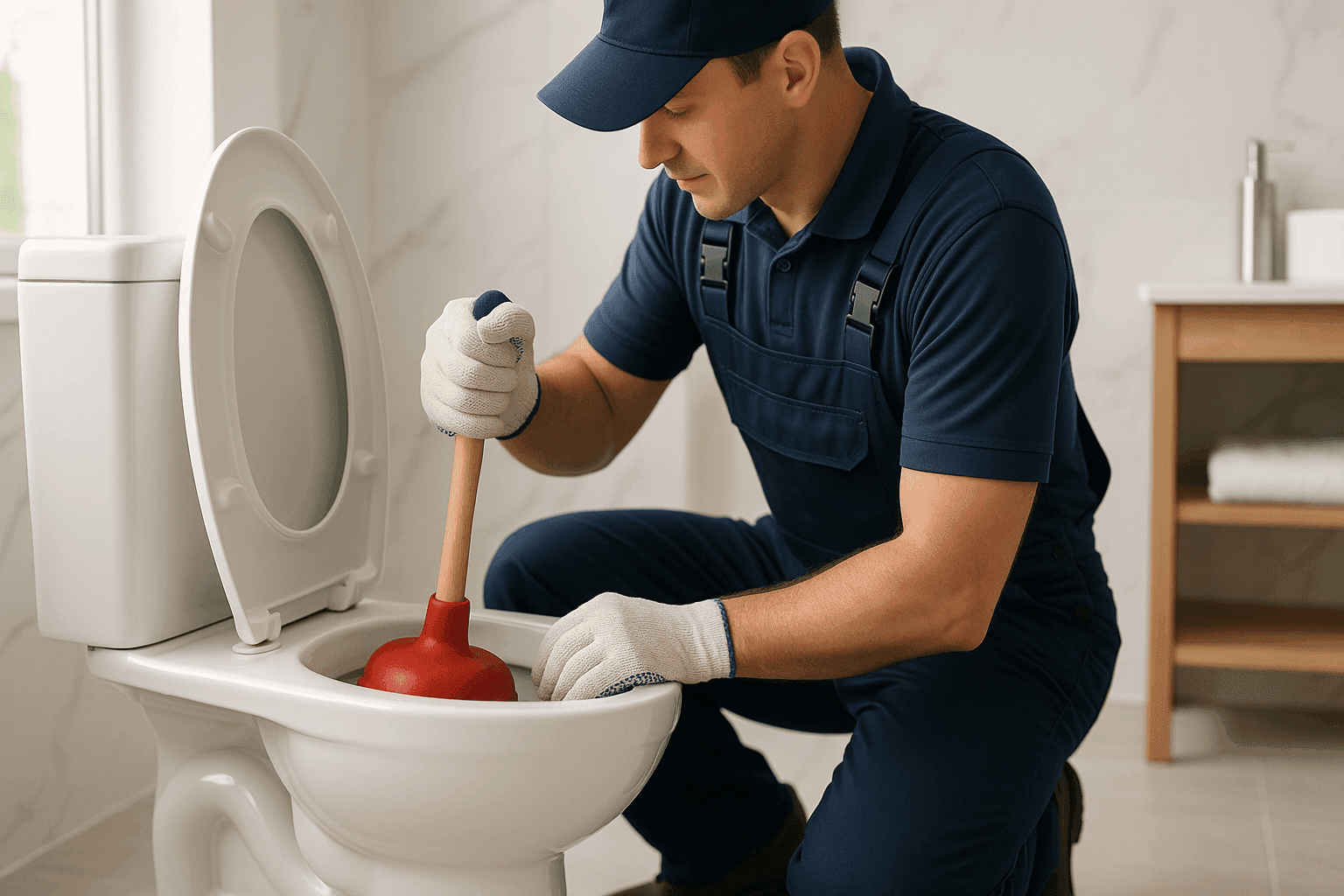
Are you hearing that constant trickle from your bathroom? Or maybe the water in your toilet bowl is creeping up instead of swirling away. These moments can turn a good day upside down—fast. At Alvin’s Plumbing, we know toilet troubles strike when you least expect them. But not every problem means panic or a call for emergency plumbing.
With a little know-how, you can tackle many toilet issues yourself. And when things get messy, we’re here to help—licensed, knowledgeable, and ready for any challenge.
Most Common Toilet Problems 🚽
Toilets are the workhorses of the home. When they act up, life stalls. Here’s what most homeowners face:
- Running Toilet: Water won’t stop flowing into the bowl. It’s like a leaky faucet you can’t turn off.
- Clogged Toilet: The flush doesn’t go down—or worse, it rises.
- Leaky Toilet: Water pools around the base or drips from the tank.
- Weak Flush: The bowl empties slowly, never quite cleaning itself.
- Phantom Flushes: The toilet refills randomly, as if haunted by invisible hands.
Each problem can be annoying, but knowing what’s behind them helps you act quickly.
What Causes These Problems?
- Worn Flapper: The rubber seal in the tank wears out. Water seeps through constantly.
- Clogged Trap or Drain: Too much toilet paper, wipes, or small objects get stuck.
- Loose Connections: Bolts under the tank or at the base loosen with time.
- Faulty Fill Valve: The mechanism that refills the tank stops working right.
- Mineral Buildup: Hard water can gunk up jets and valves.
Knowing what you’re facing is half the battle.
Easy DIY Repairs
Sometimes, you don’t need a toolbox—just a steady hand and a little courage.
Fixing a Running Toilet
- Check the Flapper: Open the tank. If the rubber flapper looks warped or doesn’t seal, replace it. Most hardware stores carry universal flappers.
- Adjust the Chain: If the chain connecting the handle to the flapper is too loose or tight, adjust it so the flapper closes snugly.
- Tweak the Fill Valve: If the water level is too high, lower the float arm or adjust the fill valve screw until the tank stops at the right level.
Clearing a Clogged Toilet
- Use a Flange Plunger: This type seals better than a cup plunger. Place it over the drain opening and push down slowly, then pull up sharply. Repeat until water drains away.
- Hot Water & Dish Soap: Pour a few cups of hot (not boiling) water and some dish soap into the bowl. Let it sit, then try flushing.
- Avoid Chemicals: Liquid drain cleaners may damage pipes and harm the environment.
Fixing a Leaky Toilet
- Tighten Bolts: Check bolts at the tank base and floor. Hand-tighten; don’t overdo it, or you risk cracking porcelain.
- Replace Wax Ring: If you notice water around the base, the wax ring seal may have failed. This fix is tricky—if you’re unsure, call a professional.
- Check Supply Line: Inspect the hose connecting your toilet to the water supply. Replace it if it’s cracked or leaking.
Safe Plunger Use
- Protect the Floor: Lay down old towels to catch any spills.
- Don’t Force It: Vigorous plunging can splash dirty water or even crack the bowl.
- Flush Only Once: Multiple flushes with a clog may cause overflow.
Small steps can bring big relief. But some problems need a professional touch.
When to Call a Plumber
Not every issue is a do-it-yourself project. Some signs mean it’s time to call Alvin’s Plumbing:
- Backflow or Sewage Smells: If you smell sewage or see water backing up into your tub, sink, or floor drain, the issue could be deep in your sewer line. This is a health hazard—don’t wait.
- Water Won’t Stop Running: If you’ve tried replacing the flapper and adjusting the fill valve but water still runs, there could be a hidden leak or faulty valve.
- Leaks at the Base: Persistent leaks, especially after tightening bolts, mean the wax ring needs professional replacement.
- Cracked Tank or Bowl: These are not safe to patch. Cracks can lead to flooding and water damage.
- Multiple Clogged Fixtures: If sinks or tubs are backing up along with your toilet, it points to a main drain or sewer line problem.
- Gurgling Sounds: Bubbling when you flush or run water elsewhere signals a vent or drain blockage.
When you see these signs, delay can make things worse. A plumber has the tools and training to fix problems at the source.
Preventing Future Issues 🛠️
A little care goes a long way. Here’s how you can keep toilet problems at bay:
- Only Flush Toilet Paper: Wipes, cotton balls, and sanitary products clog pipes—even if they say “flushable.”
- Regular Inspections: Check the tank parts every few months for wear. Replace flappers and fill valves as needed.
- Address Leaks Early: Even small leaks waste water and can damage your floor.
- Watch Water Pressure: High water pressure strains pipes and toilet parts. If you notice banging pipes, call for a checkup.
- Soft Water Helps: Hard water causes mineral buildup. Water filtration systems can help, especially if you’ve had issues before.
Routine preventative maintenance can prevent emergencies. Alvin’s Plumbing offers advice tailored to your needs and plumbing code requirements (see local building codes for specific standards).
Costs & Time Factors
Toilet repairs come in all shapes and sizes. Here’s what to expect:
- DIY Repairs: Replacing a flapper or adjusting a chain takes 10–20 minutes. Parts cost a few dollars.
- Professional Repairs: Most visits for minor repairs (like fixing a running or leaking toilet) can be resolved in under an hour.
- Complex Issues: Replacing a wax ring or repairing a cracked tank may take several hours and require special tools.
- Sewer Line Repair near you: If the problem traces back to your main sewer line, repairs are more involved and may require excavation.
Labor and parts vary by region, time of day, and the complexity of the job. Emergency plumbing calls after hours may cost more, but swift action can save you from bigger bills later.
When It’s an Emergency
Certain situations need immediate help:
- Overflowing Toilet: If water is spilling onto the floor and you can’t stop it, shut off the water valve behind the toilet and call for help.
- Sewage Backup: If sewage enters your home, leave the area and call a plumber right away. This is a serious health risk.
- Persistent Leaks: Water pooling near your toilet can quickly damage floors and spread to other rooms.
If you’re unsure, it’s better to call. Plumbing emergencies don’t wait for office hours.
FAQ
Why does my toilet keep running after I flush?
Usually, a worn-out flapper or a misadjusted fill valve is to blame. If replacing or adjusting these doesn’t help, there could be a deeper issue in the tank.
Can I use a plunger on every clog?
Most clogs respond to a flange plunger. Avoid using augers or chemical cleaners unless you know what you’re doing—improper use can damage pipes.
How do I know if it’s a sewer line problem?
If more than one drain backs up at the same time, or if you notice gurgling and foul smells, the problem is probably in your main sewer line. Professional inspection is needed.
Is it safe to leave a small leak until later?
Even small leaks can cause big problems. Water can seep into floors, attract mold, and lead to costly repairs. Address leaks promptly.
Local & Seasonal Considerations 🌧️
If you live in an area with cold winters, pipes can freeze and crack—especially in older homes. Insulate exposed pipes and keep bathroom doors open to let warm air circulate. In rainy seasons, heavy downpours can overwhelm sewer systems, increasing the risk of backflow. Schedule sewer line inspections as part of your seasonal home maintenance.
Refer to local building codes or the International Plumbing Code for safe installation and repair standards. Your city’s utility department is also a good resource for water quality and sewer maintenance guidance.
If you’re facing stubborn toilet troubles, don’t wait for a bigger mess. Call Alvin's Plumbing now — or reach us anytime at 888-565-9676 .