Toilet Troubleshooting: Quick Fixes for Common Issues
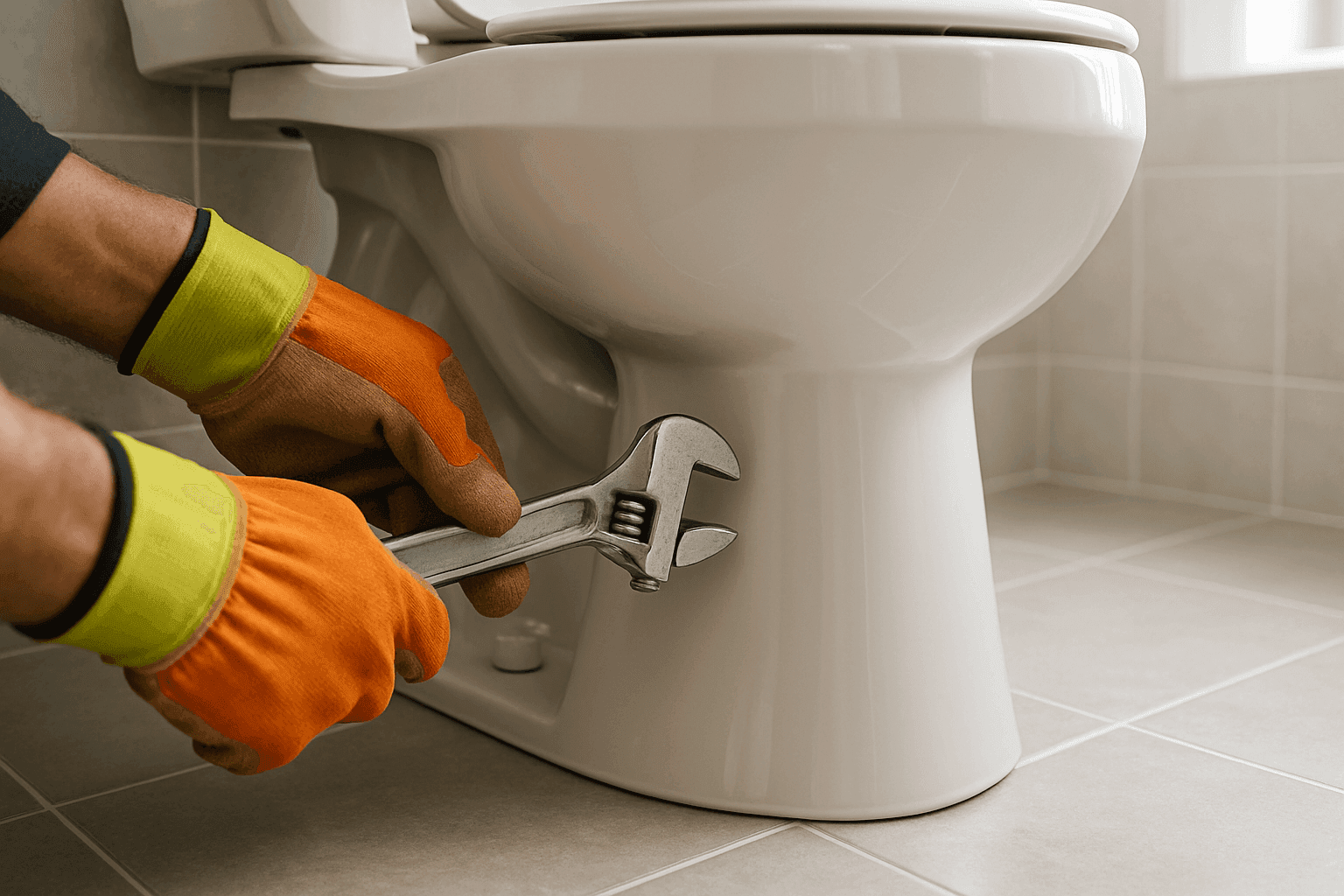
When your toilet stops working, panic can set in fast—especially with a house full of guests or right before a big holiday. No one wants to deal with an overflowing toilet after a family dinner. At Alvin's Plumbing, we know exactly how disruptive a bathroom problem can be. We've helped countless homeowners get their peace of mind back—fast.
This guide walks you through quick, safe steps to get your toilet back on track. Whether it's endlessly running, leaking onto the floor, or stubbornly clogged, you'll find practical advice here. And, when it's time to bring in emergency plumbing pros, we’ll help you know what to do next.
Diagnosing Your Toilet Issue 🚽
Not all toilet troubles are the same. Just like a car, your toilet gives off warning signs. Listen for unusual noises, look for puddles, or watch out for slow flushes. Here’s how to spot the most common problems:
- Constantly Running: Sounds like a tiny waterfall that never stops.
- Leaking at the Base: Water pooling around the toilet, even when not in use.
- Clogged or Slow-Draining: Water rising dangerously high, or not flushing away.
- Weak Flush or Double Flushes: Feels like your toilet’s lost its muscle.
- Phantom Flushes: Toilet refills briefly all by itself—spooky, but fixable.
Troubleshooting Checklist
Grab this mental checklist as you investigate:
- Is the water supply turned on at the wall?
- Do you hear hissing, dripping, or gurgling sounds?
- Is water visible at the base or behind the toilet?
- Does jiggling the flush handle change anything?
- Is the tank filling up, or does it stay low?
A quick glance can tell you a lot. Pinpointing the symptom is the first step toward a solution.
Safety First: Always Start with These Steps
Before you pick up a wrench or plunger, make sure you’re working safely. Toilets may seem harmless, but water on the floor can turn your bathroom into a slip-and-slide.
- Shut off the water: Find the small valve near the wall behind your toilet. Turn it clockwise until it stops.
- Unplug nearby outlets: If water is leaking, keep all electrical devices away from the area.
- Protect your floor: Use towels or a bucket to catch stray drips.
- Wear gloves: Even clean-looking water can be unsanitary.
- Open a window: If you’re using cleaning products, keep the room ventilated.
If you’re unsure about anything or spot signs of sewage backups, don’t risk it. Call for emergency plumbing service near you.
DIY Solutions for Common Toilet Problems
Some issues need a plumber. But others you can tackle yourself with tools you probably have at home. Here’s how to handle the usual suspects:
1. Toilet Won’t Stop Running
A running toilet wastes water and can hike up your bill. The most common culprit? The flapper inside the tank.
- Lift the tank lid: Look for the rubber flapper at the bottom.
- Jiggle the flush handle: Sometimes, the chain gets tangled.
- Check the chain: It should have a little slack, not too tight or loose.
- Adjust the float: If water is overflowing into the overflow tube, bend the arm slightly downward to lower the float.
If these steps don’t solve the problem, your fill valve or flapper may be worn out. These are affordable parts you can replace from the hardware store.
2. Water Leaking Around the Toilet Base
A puddle near the toilet can spell trouble. Usually, this means the wax ring seal is failing.
- Confirm the leak isn’t from the tank bolts or supply line.
- If only a few drops: Tighten the bolts gently—don’t overdo it.
- If water keeps coming back: The toilet may need to be lifted and resealed. This is a bigger job—consider calling a professional.
3. Toilet is Clogged or Slow to Drain
A slow or blocked toilet can ruin your morning routine in seconds.
- Start with a plunger: Use a flange plunger, not the flat cup type. Give it 6–10 firm plunges.
- No luck? Try a toilet auger (a flexible snake designed for toilets).
- Still clogged: Avoid harsh chemical drain cleaners—they can damage pipes and void warranties.
If you’ve got more than one clogged drain, the problem may be deeper in your sewer line. In that case, you’ll need emergency plumbing or Sewer Line Repair near you.
4. Weak Flushes or Double Flushing
If your toilet’s flush seems feeble, check for:
- Low tank water: Adjust the float to raise the water level.
- Mineral buildup: Gently scrub the rim holes under the toilet bowl with a stiff brush.
- Worn flapper: Replace if it’s warped or doesn’t seal properly.
5. Phantom Flushes
Toilets that fill up randomly—especially at night—are usually leaking water from the tank to the bowl. Replacing the flapper or adjusting the flush valve often solves this.
When to Replace vs. Repair
Not every toilet needs to be replaced at the first sign of trouble. But how do you decide when a quick fix is enough, and when it’s time for a new unit?
Repair Makes Sense When:
- The problem is isolated (e.g., a flapper, handle, or minor leak).
- The toilet is less than 15 years old.
- There are no visible cracks in the tank or bowl.
Replacement is Best If:
- Cracks appear in the porcelain (risk of leaks or breakage).
- You’ve needed multiple repairs in a short time.
- The toilet is outdated, inefficient (older than 20 years), or costing you on water bills.
- Persistent leaks remain after resealing and repairs.
A modern toilet can save hundreds of gallons of water per year and reduce monthly costs. If unsure, ask a plumber for an honest assessment.
Preventing Future Issues 🧰
No one wants a repeat performance—especially before guests arrive. Keeping your toilet trouble-free is easier than you think.
- Never flush wipes, feminine products, or dental floss.
- Use only the recommended amount of toilet paper.
- Check for leaks twice a year: Look for water stains, soft flooring, or mold.
- Listen for unusual noises: Gurgling or whistling can indicate a problem.
- Schedule preventative maintenance: Professional inspections can spot issues before they lead to costly repairs.
- Know where the shut-off valve is located.
The U.S. Environmental Protection Agency (EPA) recommends regular leak checks to save water and avoid hidden damage.
Costs & Time Factors: What to Expect
Every toilet problem comes with its own time and price tag. Here’s what to expect:
- DIY fixes (flapper, chain, float): 10–30 minutes, under $30 for parts.
- Plunging a clog: 5–10 minutes, plus elbow grease.
- Professional repairs: 30–90 minutes, depending on the issue.
- Toilet replacement: Usually 1–2 hours for a plumber, plus time to pick your new model.
Remember, hidden leaks or deep clogs may take longer and cost more—especially if pipe or sewer line repairs are needed.
When It’s an Emergency
Some toilet problems just can’t wait. If you notice any of the following, call for emergency plumbing right away:
- Water is pouring onto the floor and won’t stop.
- Multiple drains in your home are backing up.
- Sewage smells are coming from the bathroom.
- You can’t find or access the shut-off valve.
- There’s discoloration or bubbling in walls or flooring near the toilet—could signal a hidden leak.
Quick action can save your home from major water damage. Don’t hesitate to get help.
FAQ: Quick Answers to Common Questions
How do I know if my toilet leak is serious?
If water is pooling on the floor or you can’t stop the leak by shutting off the valve, it’s time to call an emergency plumber.
My toilet keeps clogging—what’s wrong?
Frequent clogs can mean a problem in the drain line, not just the toilet. It might be time for a Sewer Line Inspection or Drain Cleaning.
Is it safe to use chemical drain cleaners in toilets?
No—these can damage both your plumbing and the toilet itself. Stick with a plunger or auger, or call a professional.
How often should I check for leaks?
Twice a year is a good rule of thumb. Listen for hissing sounds and check for dampness around the base.
Local & Seasonal Considerations
Toilet troubles never check your calendar. But here’s a tip: Problems often spike before and after holidays or big parties. Extra guests mean extra flushes—so minor issues can quickly become major emergencies.
- Before hosting: Do a quick check for leaks or slow drains.
- After gatherings: Listen for running water or weak flushes.
- Cold weather: Pipes can contract, making older seals more likely to fail.
If you’re expecting a crowd, consider a preventative plumbing inspection. It’s much more relaxing to enjoy your event without worrying about sudden toilet drama.
Final Thoughts
A working bathroom is the heart of any home. When toilets act up, it’s tempting to ignore small problems—but they rarely go away on their own. Remember, Alvin’s Plumbing is always here for everything from a stubborn clog to Sewer Line Repair near you.
Call Alvin's Plumbing now — or reach us anytime at 888-565-9676 .