Ultimate Guide to Preventing Plumbing Emergencies Year-Round
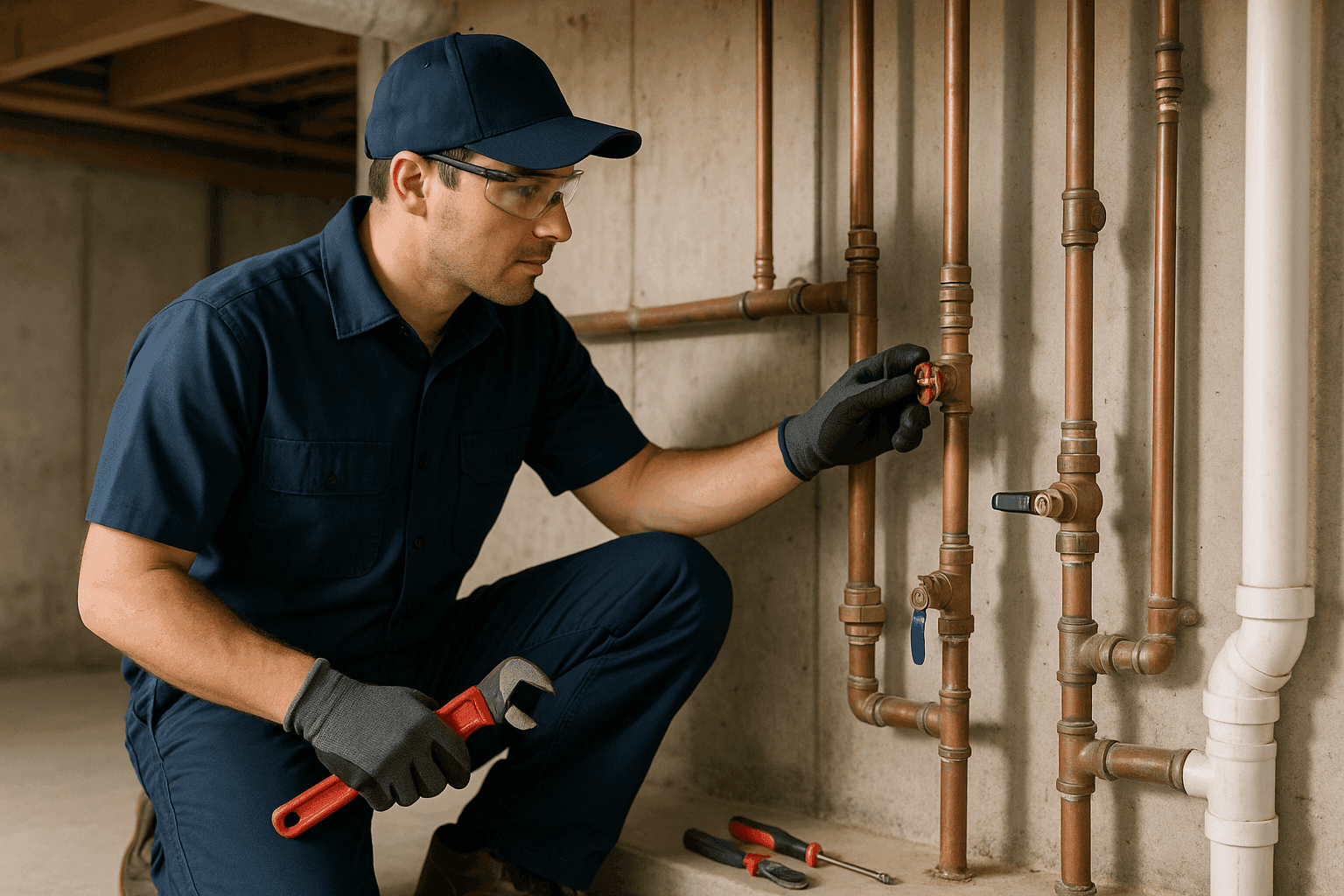
Plumbing emergencies don’t wait for a convenient time. Pipes burst at midnight. Toilets overflow during family dinners. Water heaters fail on the coldest day of the year. The damage can be swift and expensive.
At Alvin’s Plumbing, we’ve seen it all—and we know most emergencies can be prevented. With the right habits and a bit of know-how, you can keep your home or business safe from plumbing disasters. Let’s break down the best ways to stay ahead of trouble, all year long.
The Real Cost of Plumbing Emergencies
A plumbing emergency isn’t just a puddle on the floor. It’s ruined floors, damaged walls, lost business, and stress that lingers long after the water dries. According to the Insurance Information Institute, water damage and freezing account for nearly a quarter of all homeowners’ insurance claims. The average cost? Thousands of dollars per incident.
But the real price is disruption. Imagine shutting down your shop for repairs, or moving out of your home for cleanup. Prevention isn’t just about saving money—it’s about protecting your daily life.
Quick Safety Checklist 🛑
Before you dig into details, here’s a fast checklist to help you spot risks and act quickly:
- Know where your main water shutoff valve is—and teach everyone in your home or business.
- Check under sinks and around toilets for dampness or musty smells.
- Listen for strange sounds in your pipes (whistling, banging, or gurgling).
- Test your sump pump before rainy seasons.
- Inspect hoses on washing machines and dishwashers for cracks or bulges.
- Schedule regular backflow testing to protect your water supply.
- Keep emergency plumbing contacts handy.
A few minutes now can save hours of headaches later.
Seasonal Plumbing Checklists: Your Year-Round Shield
Think of your plumbing like a car. It needs regular tune-ups—especially as the weather changes. Here’s how to keep things running smoothly:
Spring
- Inspect outdoor faucets for leaks after winter.
- Clear gutters and downspouts to prevent water pooling near your foundation.
- Test your sump pump by pouring water into the pit.
- Check exposed pipes for cracks.
Summer
- Look for signs of slow drains (standing water, gurgling sounds).
- Inspect sprinkler systems for leaks.
- Check washing machine hoses—summer laundry loads can strain them.
Fall
- Insulate exposed pipes before temperatures drop.
- Drain and store garden hoses.
- Test your water heater’s pressure relief valve.
- Schedule backflow testing, especially if you have irrigation systems.
Winter
- Let faucets drip during deep freezes to prevent pipe bursts.
- Open cabinet doors under sinks to let warm air circulate.
- Know how to shut off water in case of frozen pipes.
A seasonal checklist is your first line of defense against surprise emergencies.
Early Leak Detection: Stop Trouble Before It Starts
Leaks can be sneaky. A tiny drip can grow into a big problem behind the scenes. Here’s how to spot them early:
- Watch your water bill for unexplained increases.
- Check walls and ceilings for discoloration or bubbling paint.
- Feel for soft spots on floors near sinks, tubs, or toilets.
- Use your nose—musty odors often mean hidden moisture.
- Listen for the sound of running water when everything is off.
Alvin’s Plumbing technicians recommend using moisture sensors in basements or under sinks. Even a simple device can give you an early warning and buy you precious time.
Sump Pump Readiness: Your Basement’s Best Friend
A working sump pump is like a silent guardian for your basement. But it only helps if it’s ready when you need it.
- Test your sump pump every few months by pouring a bucket of water into the pit.
- Clean the pump and pit to remove debris.
- Check the discharge pipe outside—make sure it’s clear and pointed away from your foundation.
- Consider a backup power source, like a battery or water-powered pump.
A failed sump pump during a storm can turn a dry basement into a wading pool overnight.
Pipe Insulation: Freeze Prevention That Pays Off ❄️
Frozen pipes are a winter nightmare. When water freezes, it expands—sometimes splitting pipes wide open. Insulating pipes in unheated areas (basements, attics, garages) is simple insurance.
- Use foam pipe sleeves or insulation tape.
- Seal cracks and openings where cold air can enter.
- Keep garage doors closed during cold snaps.
- For extreme cold, let a trickle of water run overnight.
According to the International Plumbing Code, properly insulated pipes are less likely to freeze and burst. It’s a small investment with big returns.
Regular Backflow Testing: Protect Your Water Supply
Backflow happens when dirty water flows the wrong way into your clean supply. It’s more than a nuisance—it’s a health risk. Many building codes require annual backflow testing, especially for businesses or properties with irrigation systems.
- Schedule annual testing with a certified plumber.
- Install backflow prevention devices where needed.
- Watch for signs: water discoloration, slow pressure, or odd tastes.
Safe water keeps your family, employees, and customers healthy.
Inspecting Fixtures: Little Details, Big Impact
Small leaks from faucets or toilets can waste thousands of gallons a year. Here’s how to keep them in check:
- Tighten loose faucet handles and spouts.
- Replace worn washers or seals.
- Listen for running toilets—often caused by faulty flappers.
- Check for moisture around the base of toilets and sinks.
A five-minute inspection each month can catch problems before they escalate.
Maintaining Water Heaters: Hot Water, No Surprises
A water heater on the fritz can lead to cold showers—or worse, leaks and water damage. Regular care keeps things running smoothly.
- Drain a few gallons from the tank twice a year to remove sediment.
- Check the temperature setting—120°F is usually safe and efficient.
- Inspect for rust or water around the base.
- Listen for popping or rumbling noises (a sign of sediment buildup).
If your water heater is over ten years old, consider a professional inspection. Sometimes replacement is safer and more cost-effective than constant repairs.
Sewer Line Warning Signs: Don’t Ignore These Red Flags 🚨
A backed-up sewer line is every property owner’s nightmare. Watch for these early warnings:
- Multiple drains clogging at once.
- Gurgling sounds from toilets or drains.
- Foul odors coming from sinks, tubs, or the yard.
- Soggy patches or unexplained lush spots in your lawn.
Call a plumber if you notice these signs. Sewer line problems rarely fix themselves—and waiting can make the damage worse.
DIY or Call a Pro? Knowing Your Limits
Some plumbing tasks are perfect for handy homeowners. Others need a trained eye and the right tools.
DIY:
- Unclogging simple sink drains with a plunger.
- Replacing faucet washers.
- Tightening loose fittings.
Call a Pro:
- Replacing pipes or fixtures.
- Diagnosing hidden leaks.
- Sewer line inspection or repair.
- Gas line installation or repair.
- Water heater installation or repair.
If you’re ever unsure, it’s safer—and often cheaper—to call Alvin’s Plumbing before a small issue becomes a big emergency.
What Pros Do On Arrival
When you call for emergency plumbing help, here’s what our technicians do:
- Assess the situation quickly and safely.
- Shut off water or gas as needed.
- Use specialized tools to locate and diagnose problems (like leak detectors or sewer cameras).
- Make repairs that follow building codes and safety standards.
- Explain what happened and how to prevent it in the future.
Our team brings years of experience and a calm approach—even when things look chaotic.
Prevention & Maintenance: The Habits That Save You
The best way to avoid emergency plumbing calls? Build simple habits into your routine:
- Do a quick visual inspection of pipes and fixtures every month.
- Schedule annual professional inspections and backflow testing.
- Flush drains with hot water (never harsh chemicals) to prevent buildup.
- Replace hoses on appliances every 5–7 years.
- Install water leak detectors in high-risk areas.
Preventative maintenance isn’t glamorous, but it’s the secret weapon against plumbing disasters.
Costs & Time Factors: What to Expect
Plumbing emergencies can hit your wallet hard. The cost depends on the problem’s size and location. Simple fixes (like clearing a clog) might take an hour. Major repairs (like burst pipes or sewer line replacement) can take days and cost much more.
Preventative maintenance is almost always less expensive than emergency repairs. A quick inspection or small fix now can save you thousands later.
When It’s an Emergency (And What to Do)
Not every drip is an emergency. But some situations call for immediate action:
- Water gushing uncontrollably.
- Sewage backing up into your home or business.
- Gas smells near appliances or pipes.
- No water at all.
If you face any of these, shut off your water (or gas) supply and call Alvin’s Plumbing right away. Don’t wait—fast action limits the damage.
FAQ: Your Plumbing Questions Answered
How often should I have my plumbing inspected?
At least once a year for most homes and businesses. More often if you have older pipes or frequent issues.
What’s the most common cause of plumbing emergencies?
Undetected leaks and clogged drains are at the top of the list. Regular checks and cleaning prevent most problems.
Can I use chemical drain cleaners?
It’s best to avoid them. They can damage pipes and harm the environment. Use a plunger or call a professional.
Is backflow testing really necessary?
Yes. It protects your water supply from contamination and is required by many building codes.
Special Considerations for Your Property
Every property is unique. Older homes may have aging pipes that need extra attention. Businesses with high water use (like restaurants or salons) should schedule more frequent inspections. If you’ve had past plumbing issues, consider a preventative maintenance plan tailored to your needs.
Alvin’s Plumbing technicians are trained to spot risks before they become emergencies. We follow up-to-date safety standards, including the International Plumbing Code and local health regulations.
Plumbing emergencies don’t have to be a fact of life. With a little planning and help from Alvin’s Plumbing, you can keep your home or business running smoothly—no matter what the season brings.
Call Alvin's Plumbing now — or reach us anytime at 888-565-9676 .