Water Filtration Systems: Clean Water for Every Home
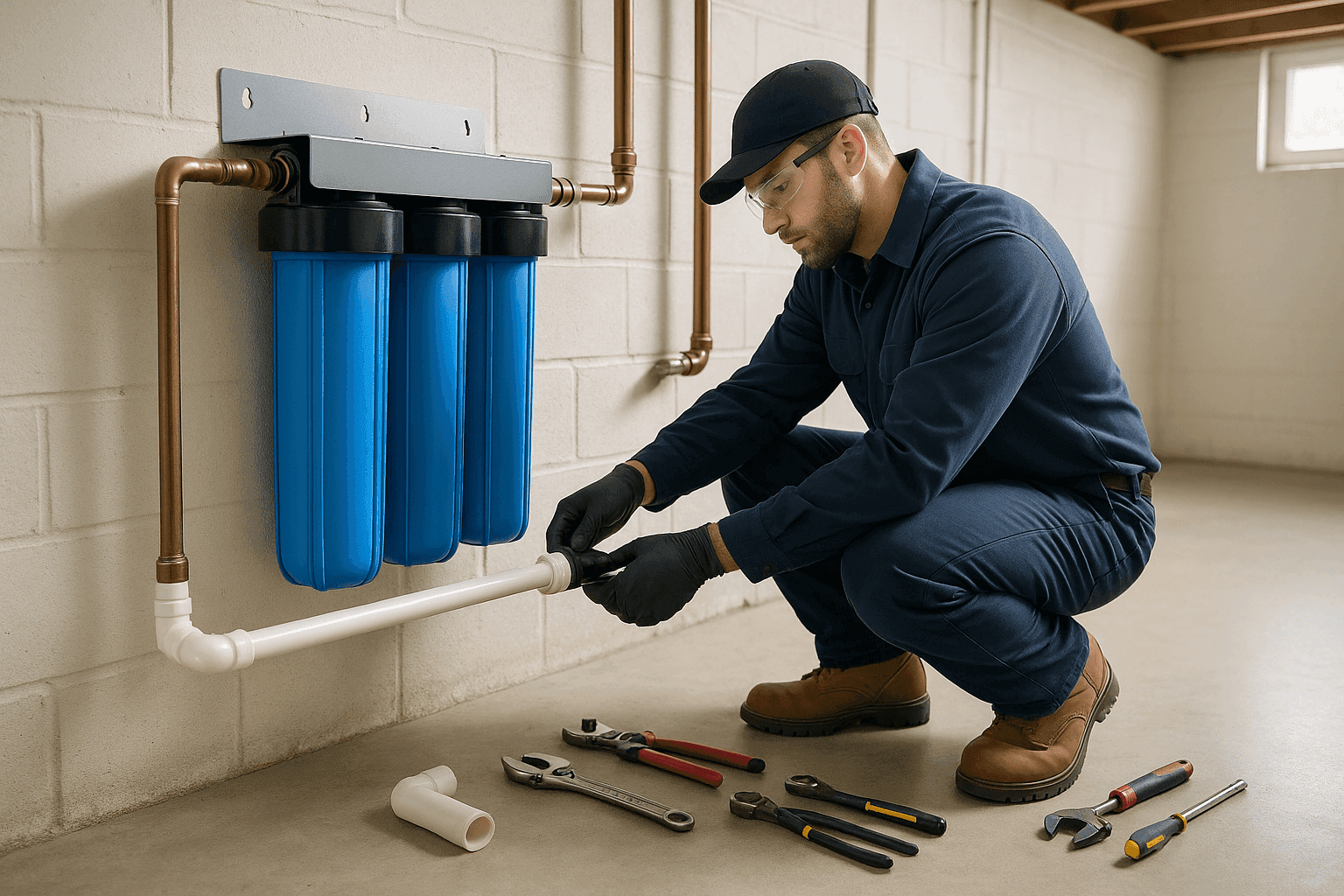
Clean water isn’t just a luxury—it’s a daily need. You brush your teeth, cook, and shower in it. But do you really know what’s coming out of your tap?
At Alvin’s Plumbing, we see the hidden side of water every day. From emergency plumbing calls to routine Sewer Line Repair near you, we’re always reminded: water quality matters. And sometimes, what you don’t see can put your health at risk. Let’s talk about how water filtration systems can change that story for your home.
Why Water Quality Matters 🏠
Think of your pipes as the veins of your house. The water flowing through them touches everything—your food, your skin, your peace of mind. But even treated municipal water can pick up contaminants on its journey.
Common Contaminants Lurking in Home Water
- Chlorine & Chloramines: Used for disinfection, but can cause taste and odor issues.
- Lead: Found in older pipes and solder, especially in homes built before the 1980s.
- Sediment: Tiny bits of sand, rust, or dirt—common culprits of cloudy water.
- Microbes: Bacteria, viruses, and parasites that sometimes sneak past treatment or enter through a break in the line.
- Hard Minerals: Calcium and magnesium that leave scale on fixtures and dry out your skin.
The EPA sets standards for safe water, but local issues or aging infrastructure can cause surprises. According to the CDC, lead and microbial contamination still pose risks in many neighborhoods. That’s why more homeowners are turning to filtration.
Types of Filtration Systems
Not all filters are the same. Choosing the right system is like picking the right pair of shoes for a hike—one size doesn’t fit all.
Point-of-Use vs. Whole House Filters
- Point-of-Use Systems:
These are installed at individual taps—think a filter under your kitchen sink or a pitcher in your fridge. They’re great for drinking and cooking water. - Whole House Systems:
Mounted where water enters your home, they filter all the water going to every tap, shower, and appliance. Ideal for families concerned about bathing, laundry, and appliance protection.
Main Filtration Technologies
- Activated Carbon:
Removes chlorine, bad tastes, and odors—like a coffee filter for your water. - Reverse Osmosis:
Pushes water through a special membrane to trap contaminants, including lead and some microbes. - Water Softeners:
Exchange hard minerals for sodium or potassium, stopping scale buildup. - UV Purifiers:
Use ultraviolet light to zap bacteria and viruses—perfect for well water or immune-sensitive households. - Sediment Filters:
Trap sand, silt, and rust. Think of them as the bouncer at the club, keeping out the riffraff.
How to Choose a System
Don’t just grab the first filter you see at the store. Start with a little detective work.
Step 1: Test Your Water
- Use a home test kit for basics like hardness and chlorine.
- For more thorough results, consider certified lab testing (recommended by the EPA).
- Alvin’s Plumbing offers water testing as part of our inspection service.
Step 2: Think About Your Needs
- Is your main concern taste, odor, or health risks like lead?
- Do you want filtered water at every tap, or just for drinking and cooking?
- Any family members with sensitivities or health concerns?
Step 3: Match the System to the Problem
- Bad Taste/Smell: Activated carbon is your friend.
- Cloudy Water/Sediment: Go for a sediment pre-filter.
- Hard Water: Consider a softener.
- Lead or Microbes: Reverse osmosis or UV systems add extra protection.
Step 4: Check Compatibility
- Is there space under your sink or in your mechanical room?
- Will the filter affect water pressure (a key concern in older homes)?
- Does your plumbing need any upgrades or special connections?
Installation & Maintenance
A well-installed filtration system is like setting a reliable guard dog at your front door. But even the best guard dog needs regular walks and checkups.
The Installation Process
- Assessment:
A certified technician from Alvin’s Plumbing inspects your plumbing and recommends the right system. - Shutoff:
Water is turned off at the main valve to prevent leaks—no unexpected indoor waterfalls. - Mounting:
The filter or softener is securely installed at the chosen location. - Connections:
Pipes are fitted, often with shutoff valves and bypasses for easy maintenance. - Testing:
The system is flushed and checked for leaks. Flow and taste are assessed before you use it. - Code Compliance:
Installations follow local plumbing codes and safety guidelines (see International Plumbing Code and manufacturer instructions).
Ongoing Maintenance Tips
- Replace Filters:
Most filters last 3–12 months. Mark your calendar or set a phone reminder. - Sanitize:
Clean housing and replace O-rings during filter changes to prevent bacteria growth. - Check for Leaks:
Inspect connections every few months, especially after changing filters. - Annual Service:
Have a licensed plumber inspect the system yearly—especially if you notice changes in water taste or pressure.
Signs It’s Time to Replace Filters 🚨
Your filter works quietly, but it can’t last forever. Watch for these red flags:
- Water tastes or smells funny again.
- Flow slows to a trickle—like a straw full of mud.
- Visible dirt or discoloration in filter cartridges.
- Filter indicator lights (if present) turn on.
- You’ve hit or passed the calendar replacement date.
Ignoring these signs can turn a filter into a breeding ground for bacteria—or leave you unprotected from contaminants.
Practical Tips for Maximizing Water Quality
- Flush new filters as recommended to remove carbon dust.
- Store replacement filters in a cool, dry place.
- If you’re leaving home for a vacation, run water through the filter before drinking.
- For emergency plumbing issues like leaks or bursts, turn off the main valve and call for professional help.
Why Choose Certified Installation?
Anyone can buy a filter, but not everyone can install it the right way. Improper installation can lead to leaks, backflow, or even code violations. At Alvin’s Plumbing, our certified install techs handle every detail—from testing to code compliance.
We also perform backflow testing and prevention, ensuring that dirty water can’t sneak back into your clean supply. For peace of mind, trust a plumbing team trained in all aspects of water safety.
Frequently Asked Questions
Can I install a water filtration system myself?
Some point-of-use filters are DIY-friendly, but whole house systems and anything involving pipe cutting, soldering, or backflow prevention should be handled by licensed plumbers. Incorrect installation can void warranties or violate local codes. Always check manufacturer instructions and local regulations.
Will a filter reduce my water pressure?
Some systems, especially reverse osmosis and whole house units, can reduce pressure if not properly sized or maintained. Regular filter changes and professional installation keep things running smoothly.
How often should I test my water?
Test yearly, or anytime you notice changes in taste, color, or odor. After plumbing repairs or emergencies, it’s wise to test again. The EPA recommends periodic testing for lead and bacteria, especially in older homes or if you have well water.
What about homes with old pipes?
Older plumbing can introduce lead and corrosion. Consider a comprehensive approach: filtration at the point of entry, plus targeted filters for taps used for drinking and cooking. Pipe inspection and possible repiping may be necessary for long-term safety.
Local and Seasonal Considerations 🌦️
Water quality isn’t static. Heavy rains, seasonal runoff, and municipal pipe repairs can all impact what comes out of your tap. If you notice sudden changes, contact Alvin’s Plumbing for water testing and emergency plumbing support. Staying informed is half the battle.
Clean water is the foundation of a healthy home. Whether you need a simple under-sink filter or a whole house system, Alvin’s Plumbing is ready to help with installation, maintenance, and troubleshooting. We’re here to make sure every drop in your home is safe and refreshing—no matter what.
Call Alvin's Plumbing now — or reach us anytime at 888-565-9676 .