Water Heater Repair vs. Replacement: What’s Right for You?
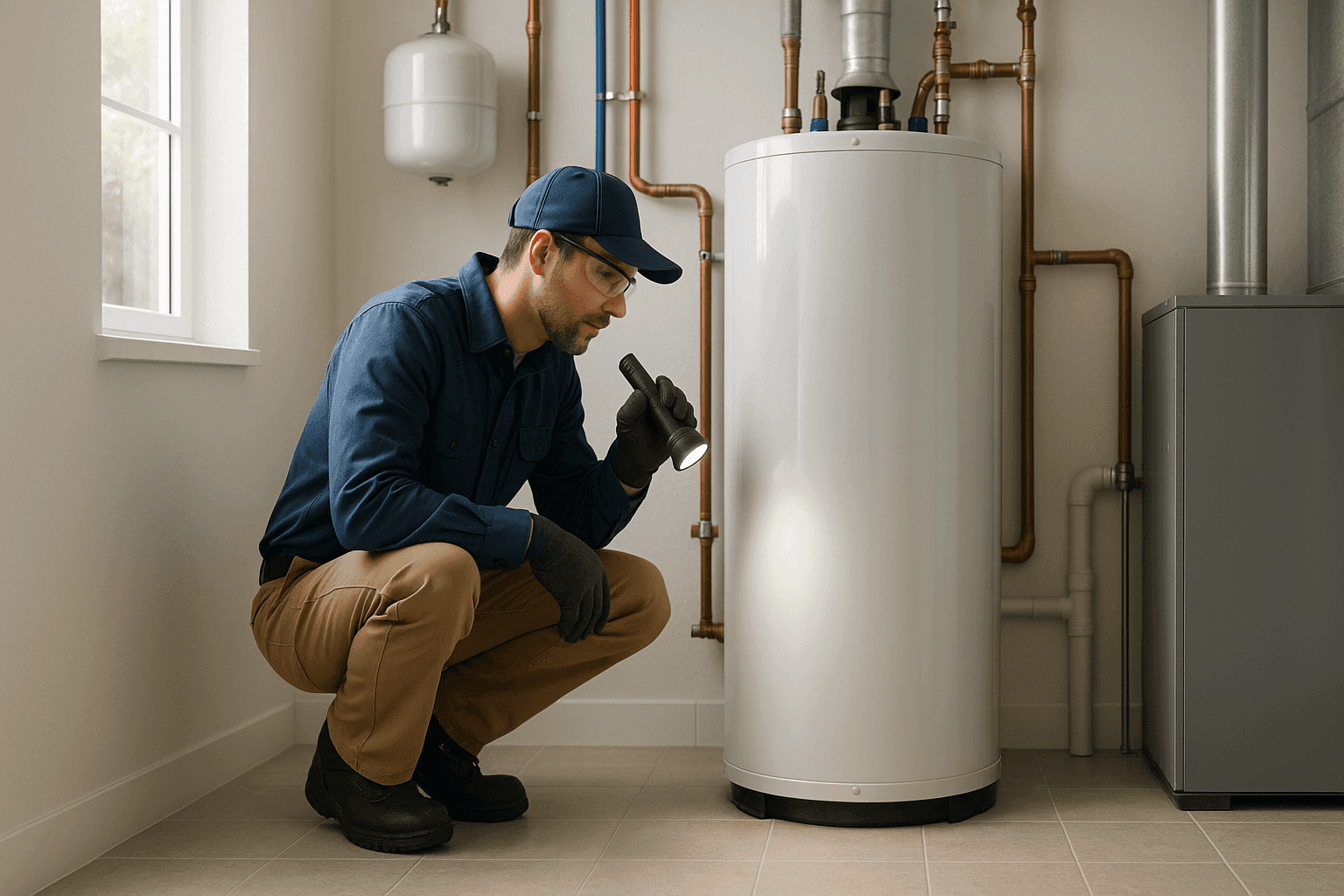
Every home relies on hot water. But when your water heater sputters, leaks, or leaves you shivering, the stress can hit fast. Is it just a small fix or time for a new system? You’re not alone—Alvin’s Plumbing helps homeowners with these decisions every single week.
Our certified team knows water heaters inside and out. We’ve seen nearly every problem a tank can throw your way. So let’s break down the real-world signs, costs, and safety tips so you can make the best call for your household—without second-guessing.
Common Water Heater Problems 🔧
Water heaters are like the engines of your home’s comfort. When they falter, you feel it—fast. Here’s what usually goes wrong:
- Lukewarm or cold water: Heating element or thermostat issues.
- Strange noises: Rumbling, popping, or banging often means sediment build-up.
- Leaks: Drips around the tank can signal worn gaskets, valves, or corrosion.
- Rusty or discolored water: Corroded tank or pipes.
- Low hot water pressure: Sediment or mineral scale restricting flow.
- Water takes too long to heat: Failing parts or a tank nearing the end of its life.
Think of your water heater as a reliable kettle. If it starts sputtering, groaning, or leaking, it’s waving a flag for attention.
When to Repair
Some water heater issues are simple and quick to resolve—like patching a bicycle tire instead of buying a new bike. Here’s when a repair makes sense:
- Heating element or thermostat failure: Often inexpensive to swap out.
- Minor leaks from fittings: Tightening or replacing a valve or pipe joint can solve the problem.
- Pilot light or igniter problems: Gas water heaters sometimes just need a new igniter.
- Sediment build-up: Flushing the tank removes debris and restores efficiency.
- Loose electrical connections: Quick for a certified plumber to address.
If your water heater is under 8 years old and hasn’t had major issues before, repair is usually the way to go. Especially if the tank itself is sound, and there’s no sign of rust or corrosion.
Safety tip: Always shut off the power or gas before inspecting your water heater. Refer to your owner's manual for instructions, or call Alvin’s Plumbing for help.
When to Replace
Sometimes, repairs are just bandages on a wound that won’t heal. Here’s when it’s time to start fresh:
- Age: Most tank water heaters last 8–12 years, tankless up to 20. If yours is older, replacement is usually safer and more cost-effective.
- Rust or corrosion: Once the tank rusts, leaks will follow. No patch can fix a rotted tank.
- Multiple repairs: If you’re calling for service every few months, those repair bills add up fast.
- Major leaks: A leaking tank can flood your home. Don’t risk water damage.
- Energy bills rising: Aging heaters work harder and cost more to run.
- Safety concerns: Gas odors, carbon monoxide alarms, or electrical shorting are always reasons to replace.
Think of it like an old car: If you’re spending more time (and money) in the shop than on the road, it’s time for an upgrade.
Cost Comparison 💸
The biggest question: Will repair save money in the long run, or is replacement the better investment? Let’s break it down:
Repairs
- Usually range from minor (like replacing a valve) to moderate (new thermostat or heating element).
- If your tank is in good shape, these fixes can extend its life by years.
- Costs are generally lower if done early, before damage spreads.
Replacement
- Upfront cost is higher, but you’ll get a brand-new unit with modern efficiency.
- Newer models use less energy, which means lower utility bills.
- Some upgrades may qualify for rebates or incentives. Check Energy Star and local regulations for details.
- Factor in installation—professional fit matters for safety and warranties.
Pro tip: If repair costs approach 50% of a new unit, replacement usually wins out. The Department of Energy recommends this rule of thumb for household appliances.
Choosing the Right Model
If you’re leaning toward replacement, don’t rush. The wrong-sized or inefficient heater can cost you comfort and cash.
What to Consider
- Capacity: How much hot water does your family use in a typical morning rush? Too small, and showers go cold. Too big, and you waste energy.
- Fuel type: Electric, gas, or hybrid? Each has pros and cons. Gas tends to heat faster but needs venting. Electric is easier to install.
- Energy efficiency: Look for high Energy Factor (EF) or Uniform Energy Factor (UEF) ratings. Tankless units offer endless hot water and lower operating costs over time.
- Space and installation: Will your new heater fit in the same spot? Some models need extra clearance or venting.
- Safety features: Modern heaters include temperature and pressure relief valves. Always follow manufacturer and local code requirements (see International Association of Plumbing and Mechanical Officials for guidelines).
Alvin’s Plumbing can help you size and select the right heater—so you get the best fit, not just the biggest box.
Safety Considerations
Water heaters can be dangerous if mishandled. Scalding water, gas leaks, and electrical hazards aren’t DIY territory.
- Always turn off power/gas before working on any unit.
- Install carbon monoxide detectors near gas appliances.
- Check for proper venting and clearances.
- Don’t ignore the smell of gas—exit your home and call for emergency plumbing help.
- Read your owner’s manual to understand safety switches and shut-off valves.
Keep your model’s serial number and installation date handy for warranty questions.
Energy Efficiency Tips 🌱
Saving energy isn’t just good for the planet—it’s good for your wallet.
- Lower your water heater temperature: 120°F is hot enough for most homes and reduces scald risk.
- Insulate your tank and pipes: Keeps heat in, lowers standby losses.
- Flush sediment annually: Prevents build-up that makes your heater work harder.
- Fix leaks fast: Even a small drip wastes gallons every week.
- Upgrade to high-efficiency or tankless models: They cost less to run and often last longer.
The U.S. Department of Energy recommends annual maintenance for peak performance.
Warranty and Professional Service
Most new water heaters come with a manufacturer’s warranty—covering parts (and sometimes labor) for 6–12 years. But these warranties often require professional installation and regular maintenance to stay valid.
Alvin’s Plumbing’s certified technicians handle every step by the book. We follow all local codes and safety standards, so your warranty stays intact and your family stays safe.
FAQ: Water Heater Repair & Replacement
How long does a typical water heater last?
Most tank water heaters last 8–12 years. Tankless models can reach 20 years with proper care.
Can I fix my water heater myself?
Basic troubleshooting (like resetting a breaker or relighting a pilot) is sometimes safe for handy homeowners. But for leaks, electrical, or gas issues, always call a licensed plumber.
What if my water heater is leaking from the bottom?
This usually means the tank has rusted through—replacement is needed to avoid flooding.
Is a bigger water heater better?
Not always. Oversized units waste energy. The right size matches your household’s hot water needs.
Local & Seasonal Considerations 🌦️
Seasonal changes can impact your water heater in surprising ways. In colder months, incoming water is chillier, so your heater works harder. If your unit is already struggling, winter can push it over the edge.
- Older heaters may fail more often during winter.
- Basement installations are at risk if pipes freeze.
- Heavy holiday or guest use can strain a tired tank.
If you notice issues during seasonal spikes, don’t wait—call for emergency plumbing before minor problems become major disasters.
Making the Call: Repair or Replace?
Every home—and every water heater—is unique. But here’s the bottom line: If your heater is young, well-maintained, and the fix is minor, repair usually makes sense. If it’s old, unreliable, or leaking, replacement is the safer, smarter investment.
Need help fast? Alvin’s Plumbing is available around the clock for emergency plumbing and water heater solutions. We handle everything from simple repairs to full replacements—so you’re never left in the cold.
Call Alvin's Plumbing now — or reach us anytime at 888-565-9676 .